The Evolution of Computing: From Web-First to AI-First
For over a decade, the Chromebook has been the gold standard for “very online” computing. Its cloud-first, lightweight approach was perfect for a world centered around the browser. However, as we enter the age of Artificial Intelligence, the browser alone is no longer enough. Enter the Googlebook.
Google is making a bold move to catapult beyond the limitations of ChromeOS. By synthesizing its massive arsenal—the Gemini AI, the Android ecosystem, and strategic hardware partnerships—Google is introducing what it calls an “Intelligence System.” This isn’t just a laptop update; it’s a fundamental shift in how we interact with a personal computer.
What Exactly is a Googlebook?
At its core, the Googlebook is a premium AI laptop built on a fusion of Android and ChromeOS. While Chromebooks were often viewed as budget-friendly devices for students, the Googlebook targets a higher tier of performance and craftsmanship.
The real magic lies in the depth of integration. Unlike other AI PCs that simply “bolt on” a chatbot, the Googlebook is designed from the ground up for AI. This “Gemini Intelligence” means the AI isn’t just a tab in your browser—it’s woven into the very fabric of the operating system.
Key Innovations That Set the Googlebook Apart:
- n
- Seamless Android Integration: Forget clunky emulators. The Googlebook merges the laptop experience with the Android ecosystem. Imagine accessing phone apps natively or finding a PDF on your phone directly within your laptop’s file browser without emailing it to yourself.
- AI-Powered Custom Widgets: Using natural language, you can ask Gemini to create a custom widget for your specific needs—whether it’s tracking flight data for a family reunion or monitoring niche industry news from Google News.
- The Magic Pointer: Developed by Google DeepMind, this turns your cursor into a contextual agent. A simple “wiggle” gesture allows Gemini to recognize on-screen data, suggest actions, or even visualize new furniture in a photo of your room.
A Hardware Identity: The Return of the Glowbar
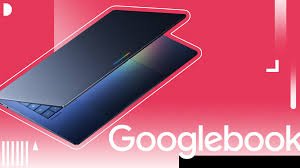
To distinguish this new breed of laptop from its predecessors, Google is introducing the “Glowbar”—a signature rainbow light bar on the lid. This visual identifier ensures that Googlebooks are instantly recognizable, signaling a commitment to premium hardware standards similar to the Chromebook Plus initiative.
The Big Gamble: Branding and Competition
Despite the technological leap, Google faces a significant challenge: branding. The name “Googlebook” risks confusion with the existing Google Books service and may feel generic compared to “Chromebook.” To win, Google must clearly communicate that this is a professional-grade AI workstation, not just a glorified web browser.
The Googlebook is a direct challenge to Microsoft’s Copilot+ PCs and Apple’s tightly integrated ecosystem. By centering the experience around the laptop—the primary hub for productivity—Google is betting that a cohesive, intelligent system will outweigh fragmented AI tools.
Final Verdict: Is the Googlebook the Future?
Google has always been iterative, refining its products through constant updates. If the Googlebook can successfully bridge the gap between mobile fluidity (Android) and desktop power (ChromeOS), it will become the essential anchor for the AI era. For those who live and breathe in the Google ecosystem, this isn’t just a new device—it’s the most powerful tool Google has ever built.