
AI Copyright UK: Government Backtracks on AI Training Data
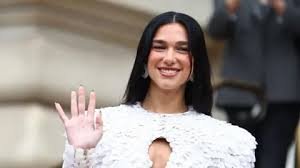
The UK government has performed a significant U-turn regarding its stance on copyright and Artificial Intelligence (AI), acknowledging the need for a more considered approach. Initially, the government proposed allowing AI companies to utilize copyrighted materials for training their models, with an opt-out option for creators. This proposal faced substantial opposition from prominent figures in the creative industries, including Sir Elton John and Dua Lipa.
A Response to Industry Concerns
“We have listened,” stated Technology Secretary Liz Kendall on Wednesday, confirming the government’s shift away from its original position. However, the government has yet to define a clear alternative, stating it “no longer has a preferred option” for the path forward. This change has been welcomed by industry representatives.
Tom Kiehl, Chief Executive of UK Music, hailed the development as “a major victory for campaigners,” expressing a commitment to collaborate with the government on a revised strategy. Kendall emphasized the government’s extensive engagement with both the creative and AI sectors, aiming to strike a balance between protecting creators’ rights and enabling AI innovation.
Balancing Innovation and Creativity
The government recognizes the need to empower creatives with control over how their work is used while acknowledging that AI models require data for training, encompassing areas like writing, music, and video. A recent government report highlighted the lack of consensus on achieving these objectives. The report also underscored the significant contributions of both the creative sector and the AI industry to the UK economy.
The assessment emphasized that UK culture is a “world-leading national asset,” while the AI industry is experiencing growth “23 times faster than the rest of the economy.” This rapid expansion underscores the importance of establishing a clear and enabling framework for AI innovation.
The Road Ahead: Uncertainty and Debate
The government’s announcement followed a consultation that revealed overwhelming rejection of the initial plan by the creative sector. However, no firm conclusions were reached regarding next steps. The government has committed to refraining from copyright law reform “until we are confident that they will meet our objectives for the economy and UK citizens.”
Mandy Hill, Managing Director at Cambridge University Press and President of the Publishers Association, celebrated the backtrack as a victory against the interests of large corporations. However, she cautioned that the government hasn’t entirely dismissed the possibility of allowing tech companies to use copyrighted content without a license. “The existing law is clear,” she added, “Copyright material cannot be used for AI development and training without permission.”
Industry Reactions and Concerns
Anthony Walker, Deputy Chief Executive of Tech UK, stressed the importance of finding the right balance. “The UK has set its sights on leading the G7 in AI adoption, but that requires a clear and enabling framework for AI innovation,” he stated. “With international competitors moving ahead, the UK cannot afford for this to remain unresolved.”
The debate over AI and copyright remains contentious. Last year, artists and peers in the House of Lords proposed an amendment to the Data (Use and Access) Bill, aiming to require tech companies to disclose their use of copyrighted material during AI training. Without such a requirement, concerns were raised that tech firms would freely exploit UK content, potentially displacing human artists. Sir Elton John likened this to “committing theft, thievery on a high scale.”
Despite these concerns, the government ultimately rejected the amendment, and the bill was passed. Dr. Jo Twist, Chief Executive of the BPI, expressed satisfaction with the government’s change of position, emphasizing the need to avoid any further exceptions to copyright law. She highlighted the potential for a thriving licensing market and the benefits of collaboration between creativity and AI.
Tom Kiehl of UK Music reiterated the importance of protecting the livelihoods of hundreds of thousands of individuals in the creative industries, ensuring they can work without fear of unauthorized AI exploitation. The Musicians’ Union advocated for collective licensing schemes to safeguard the rights of individual artists, not just major rights holders.
Vinous Ali of the Startup Coalition expressed disappointment at the lack of a more concrete solution, emphasizing the need for a workable framework to enable UK AI startups to compete internationally.
For further insights into the world of technology, subscribe to the Tech Decoded newsletter.



