
AC: A Comprehensive Guide to Air Conditioning
Air conditioning (AC) is an essential part of modern life, providing comfort and improving indoor air quality, especially during hot and humid weather. But how much do you really know about the systems that keep you cool? This guide dives deep into the world of AC, covering everything from the different types available to essential maintenance tips.
How Does Air Conditioning Work?
At its core, air conditioning works by using a refrigerant to absorb heat from inside your home and release it outside. This process involves four main components:
- Compressor: Pumps the refrigerant and increases its pressure and temperature.
- Condenser: Releases heat from the refrigerant to the outside air.
- Expansion Valve: Reduces the pressure and temperature of the refrigerant.
- Evaporator: Absorbs heat from the indoor air, cooling it down.
This cycle repeats continuously, effectively removing heat and humidity from your living space. Understanding this basic process is key to appreciating the different types of AC systems available.
Types of Air Conditioning Systems
There’s a wide range of AC systems to choose from, each with its own advantages and disadvantages. Here’s a breakdown of the most common types:
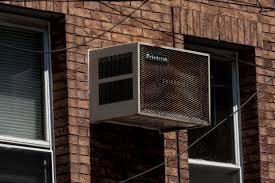
- Window Units: The most affordable and portable option, ideal for cooling single rooms.
- Portable ACs: Similar to window units but can be moved from room to room. They require venting to the outside.
- Split Systems: Consist of an indoor unit and an outdoor unit, offering more efficient and quieter cooling for larger areas.
- Central Air Conditioning: The most comprehensive solution, cooling an entire home through a network of ducts.
- Ductless Mini-Split Systems: A versatile option for homes without ductwork, offering zoned cooling and energy efficiency.
Energy Efficiency and SEER Ratings
When choosing an AC system, energy efficiency is crucial. Look for the SEER (Seasonal Energy Efficiency Ratio) rating. A higher SEER rating indicates greater energy efficiency. The minimum SEER rating currently required in the US is 14, but opting for a higher rating can save you money on your energy bills in the long run. You can find more information about energy efficiency standards at Energy.gov.
AC Maintenance: Keeping Your System Running Smoothly
Regular maintenance is essential for ensuring your AC system operates efficiently and lasts for years to come. Here are some key maintenance tasks:
- Air Filter Replacement: Replace or clean your air filter every 1-3 months.
- Coil Cleaning: Clean the condenser and evaporator coils annually.
- Drain Line Clearing: Clear the condensate drain line to prevent clogs and water damage.
- Professional Inspection: Schedule an annual inspection and tune-up with a qualified HVAC technician.
Neglecting maintenance can lead to reduced efficiency, higher energy bills, and even costly repairs.
Choosing the Right AC System for Your Home
Selecting the right AC system depends on several factors, including your home’s size, climate, budget, and energy efficiency goals. Consider consulting with an HVAC professional to determine the best option for your specific needs. They can perform a load calculation to accurately size the system for optimal performance.
The Future of Air Conditioning
The air conditioning industry is constantly evolving, with a focus on developing more energy-efficient and environmentally friendly technologies. Innovations like variable refrigerant flow (VRF) systems and the use of more sustainable refrigerants are paving the way for a cooler, greener future. ACHR News provides insights into these emerging trends.



