World Cup 2026: Everything You Need to Know About Red Cards and New Suspension Rules
As the football world gears up for the 2026 World Cup, the excitement is building not just for the goals, but for the drama that unfolds on the pitch. In a tournament of this magnitude, a single referee’s decision can change the course of a nation’s history. This is where the disciplinary system—specifically red cards and suspensions—comes into play.
With the tournament expanding and the game evolving, FIFA has introduced several critical rule changes to ensure fairness and maintain discipline. Here is your comprehensive guide to how cards and suspensions will work in 2026.
The Basics: Yellow vs. Red Cards
Before diving into the new changes, let’s refresh the fundamentals of soccer discipline:
- n
- Yellow Card: Acts as a formal warning. It is issued for rough fouls, time-wasting, or arguing with officials. While the player remains in the game, the warning stays on their record.
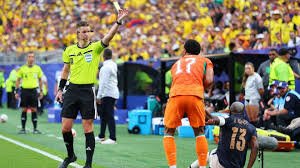
- Red Card: This is the ultimate penalty. A player receiving a red card is immediately sent off, and their team must play the remainder of the match with 10 men.
The “Clean Slate” Rule: Adapting to 48 Teams
The 2026 World Cup marks a historic shift, expanding from 32 to 48 teams. This expansion adds an extra round of matches, which previously meant players were more likely to be suspended before the semifinals due to accumulating yellow cards.
To prevent star players from missing crucial games for minor infractions, FIFA has implemented a new reset system. The “slate” is now wiped clean twice:
- After the Group Stage: Players start the knockout rounds with zero yellow cards.
- After the Quarterfinals: Another reset occurs, ensuring no player enters the semifinals burdened by previous warnings.
Note: If a player earns two yellow cards before these cutoffs, the one-game suspension still applies.
The Dreaded Red Card: Direct and Indirect
A player can be sent off in two ways, both resulting in an automatic suspension for the following match:
- Indirect Red: Receiving two yellow cards in a single match.
- Direct Red: Issued for serious offenses such as violent conduct, spitting, biting, offensive language, or denying an obvious goal-scoring opportunity.
Depending on the severity of the offense, FIFA’s disciplinary committee may extend the suspension or impose financial fines.
New and Controversial Rules for 2026
FIFA has introduced two brand-new reasons for a red card, aimed at eradicating toxicity and unprofessionalism on the field:
1. The “Mouth-Covering” Rule
In an effort to combat hidden abuse, referees now have the authority to issue a red card to any player who covers their mouth during a confrontation. This prevents players from using their jerseys to hide offensive language from officials.
2. The “Walk-off” Penalty
Deliberately leaving the field to protest a referee’s decision is now a red-card offense. This rule also extends to coaches or team officials who encourage their players to walk off the pitch.
The Role of VAR in Disciplinary Calls
The Video Assistant Referee (VAR) continues to be a pivotal tool. In 2026, VAR’s scope has expanded: officials can now intervene if a player is wrongly sent off for a second yellow card. If a mistake is spotted, the red card can be overturned on the spot.
Qualifying vs. The Main Tournament
Does your record follow you to the finals? For the most part, no. Yellow cards earned during qualifying are wiped clean. However, serious red card suspensions for violent conduct can carry over into the World Cup, meaning a severe offense during the qualifiers could cost a player their spot in the opening match.