The Empty Seats at the Coliseum: A Warning Sign for the Trojans
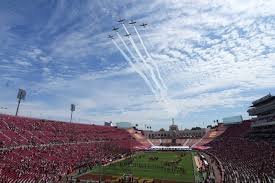
For decades, the University of Southern California (USC) has been a titan of college football. However, recent images of sparse attendance during the opener against San Jose State have sent shockwaves through social media. While some critics quickly pointed to the scorching Los Angeles heat as the culprit, the reality is far more complex. The empty lower sections behind the end zone weren’t just a weather issue—they were a symptom of a deeper problem regarding the USC football schedule and the current state of the program.
The Danger of the ‘Cupcake’ Game
Let’s be honest: the matchup against San Jose State was a ‘bodybag game’—a term used for unappealing matchups designed for easy wins. This game was added late to the schedule after Lincoln Riley opted out of a traditional Thanksgiving weekend clash with rival Notre Dame. When fans are asked to pay soaring ticket prices for a game that feels like a glorified exhibition, many are choosing to stay home.
This trend isn’t exclusive to the Trojans. Across the NCAA, there is a growing tension between television networks dictating kickoff times and the actual desire of fans to attend games in person.
Why USC is Struggling to Generate Hype
While passion for college football remains high in the Midwest and South, the landscape in Los Angeles is different. USC operates in a pro-sports-heavy market where the Trojans often compete for attention with the Lakers, Dodgers, and Rams. When the product on the field isn’t elite, the casual fan disappears.
- n
- Performance Slump: Three consecutive mediocre years under Lincoln Riley have dampened local enthusiasm.
- Market Saturation: In L.A., college football is often the fourth or fifth sports priority.
- Scheduling Fatigue: A lack of high-stakes, early-season matchups makes it hard to sell out the stadium.
A Wake-Up Call for College Football Scheduling
The empty seats at USC should serve as a wake-up call for athletic directors nationwide. For too long, marquee programs have dived into the safety of G6 and FCS opponents to protect their playoff resumes. We’ve seen major home-and-home series canceled in favor of easier paths.
As noted by experts on ESPN, the move toward a 24-team playoff is intended to make early-season losses less catastrophic. In theory, this should encourage tougher schedules. However, if the games continue to feel like exhibitions, the fans will continue to vote with their wallets—and their absence.
Final Thoughts: Quality Over Safety
The USC football schedule reflects a broader systemic issue in college sports: the trade-off between winning percentages and genuine entertainment. For the Trojans to regain their spark, the program needs more than just talent on the field; it needs a schedule that challenges the players and excites the fans.
Until schools stop prioritizing “safe” wins over meaningful competition, the sight of empty seats may become a common occurrence, even in the glitz and glamour of Los Angeles.