Changing the Game: The WHL’s Quest for Faster Overtime
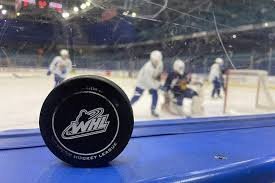
The Western Hockey League (WHL) is known for developing some of the world’s best hockey talent, but now they are looking to refine the game itself. During the current preseason, the league is piloting a provocative new rule designed to breathe new life into 3-on-3 overtime: the “no return” rule.
The goal is simple: eliminate the “safe” play and force teams to be aggressive. In the high-stakes environment of overtime, many teams tend to retreat to the neutral zone to regroup and maintain possession, which can often lead to a stagnant game where one team dominates the puck without actually creating scoring chances.
How Does the “No Return” Rule Work?
The mechanic is straightforward but carries a heavy penalty for those who play too conservatively. Under this experimental rule:
- The Restriction: Once a team enters the offensive zone, they are prohibited from intentionally bringing the puck back across the blue line into the neutral zone.
- The Penalty: If a player intentionally retreats with the puck, play is immediately stopped.
- The Consequence: The ensuing faceoff is moved all the way back into the offending team’s defensive zone. Furthermore, that team is denied a line change, potentially leaving exhausted players on the ice.
Players vs. Management: A Divided Perspective
The reaction from within the league has been a mix of excitement and skepticism. Many players believe the rule adds a layer of intensity that was previously missing.
“Taking it back in overtime definitely has its pluses… but also at some points one team may not touch the puck in a whole overtime because a team just keeps taking it back out of the zone,” notes defenceman Dayton Deschamps.
Matthew Paranych, another defenceman, echoes this sentiment, suggesting that the rule forces players to “make a move” rather than playing it safe in the offensive zone.
However, not everyone is convinced. Dale Derkatch, General Manager of the Regina Pats and a former player, argues that the rule might actually hinder the flow of the game. According to Derkatch, the increased number of whistles and the time spent moving the puck to the opposite end for faceoffs could actually make the game feel slower.
The Referee’s Dilemma: Intent vs. Accident
One of the biggest hurdles for the Western Hockey League will be the officiating. Determining what constitutes an intentional return versus a puck forced back by a hit, a deflection, or defensive pressure is a subjective call.
Winger Connor Bear pointed out that this ambiguity makes the rule difficult to follow and enforce consistently, placing a significant burden of judgment on the referees.
What’s Next for the WHL?
The WHL will continue to monitor the impact of this trial throughout the preseason. The league is specifically tracking:
- Overall scoring opportunities.
- The total number of shots on goal.
- The frequency of games decided in overtime versus those going to a shootout.
Once the data is collected, league general managers will hold a vote to decide if the “no return” rule becomes a permanent fixture of the game. Whether it becomes a staple or a footnote, it is clear that the WHL is committed to making the sport more exciting for fans and players alike.