The Rare Phenomenon of the Teenage Grand Slam Champion
In the world of professional tennis, the Grand Slams represent the pinnacle of achievement. These tournaments are not merely tests of skill, but grueling marathons of physical endurance and mental fortitude. For most athletes, the road to a major title takes years of seasoning, often peaking well into their twenties. However, a select few have defied the odds, capturing the world’s attention by winning a major before they even reached adulthood.
In the modern era, seeing a player hoist a trophy before age 20 is considered extraordinary. These athletes are almost mythological figures, possessing a rare combination of raw physical talent and a competitive instinct that borders on the supernatural. From the hard courts of the US Open to the red clay of Roland Garros, here are the most remarkable teenage breakthroughs in tennis history.
The US Open Prodigies: Defying the Odds at Flushing Meadows
The US Open has a rich history of welcoming young disruptors who turn the tennis world upside down. Two names stand out as definitive examples of teenage dominance:
- Tracy Austin: In 1979, Austin became the youngest US Open champion in history. At just 16 years old, she dismantled the legendary Chris Evert with clinical baseline precision. Though injuries later hampered her career, her early brilliance suggested a potential that could have redefined the sport.
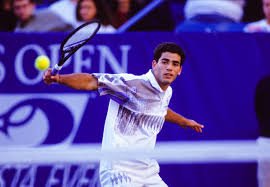
- Pete Sampras: Before he became a 14-time Grand Slam winner and a long-term world number one, Sampras was a 19-year-old underdog. In 1990, as the 12th seed, he shocked the world by defeating Andre Agassi in the final without dropping a set, marking the beginning of one of the greatest legacies in ATP history.
The Clay Court Conquerors: Mastering Roland Garros
Winning on clay requires a level of patience and stamina that usually comes with age. Yet, several teenagers managed to conquer the French Open:
- Monica Seles: At 16 years and 189 days, Seles became the youngest French Open champion ever in 1990, beating Steffi Graf and sparking one of the most intense rivalries in women’s tennis.
- Michael Chang: The 1989 French Open provided one of the most dramatic runs ever. At 17, Chang battled through severe cramping and serves underhand to claim the title—a feat that remains a legendary piece of tennis lore.
- Mats Wilander: An unknown 17-year-old in 1982, Wilander swept through Roland Garros without dropping a single set, eventually becoming a seven-time Grand Slam champion.
- Björn Borg & Jennifer Capriati: Borg’s 18-year-old victory in 1974 laid the groundwork for clay-court dominance unseen until Rafael Nadal. Similarly, Capriati used her 18-year-old win at Roland Garros to signal a triumphant return to the sport.
The Grass Court Legends: Wimbledon’s Youngest Stars
Wimbledon is the most traditional of the majors, yet it has been home to some of the most fearless teenage debuts:
- Boris Becker: In 1985, an unseeded 17-year-old Becker stormed through the draw with a powerful serve-and-volley game, becoming the youngest Wimbledon champion and the only unseeded player to ever win the tournament.
- Lottie Dod: The ultimate historical anomaly. In 1887, Dod won Wimbledon at just 15 years and 285 days old. Given modern regulations for junior players, her record is likely to stand forever. Dod was a polymath of sports, later winning an Olympic silver medal in field hockey.
The Australian Open Breakthrough
Martina Hingis remains the gold standard for teenage intelligence on the court. Winning the 1997 Australian Open at 16 years and 117 days, she set a record that has remained unbroken for over a quarter-century, redefining the tactical approach to the women’s game.
Final Thoughts: Talent vs. Experience
What connects these players—from the hard-hitting champions of the US Open to the clay masters of Paris—is their ability to handle immense pressure while their bodies and minds were still developing. While some used these early wins as a springboard to greatness, for others, it was a fleeting peak. Regardless, their stories remind us that in tennis, sometimes raw genius can overcome a decade of experience.