Turning the Tide: How FIFA President’s Hydration Breaks Fueled England’s World Cup Comeback
In the high-stakes arena of the World Cup, the difference between a heartbreaking exit and a triumphant progression often comes down to a few minutes of tactical adjustment. This was exactly the case in England’s nail-biting last-32 encounter against DR Congo, where an unlikely ally emerged for manager Thomas Tuchel: the controversial hydration breaks.
The Struggle: England on the Ropes
The match began as a nightmare for the Three Lions. By the seventh minute, England found themselves a goal down and struggling to find any rhythm. The performance was sluggish, riddled with errors, and devoid of the urgency required for a tournament of this magnitude.
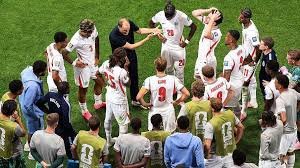
Former England striker Alan Shearer didn’t mince words during the match, noting that the team looked open and punished. However, as the first hydration break arrived, the momentum began to shift. While fans in the stadium voiced their disapproval of the interruptions, Thomas Tuchel saw a golden opportunity.
Tactical Time-outs: The Tuchel Method
Despite his own admission that he doesn’t love the breaks—preferring the natural momentum of a free-flowing game—Tuchel utilized these windows to regroup his squad. The impact was immediate and measurable:
- n
- Pre-Break: England had zero shots and zero touches inside the opposition box.
- Post-Break (First Half): The stats surged to eight shots and 20 touches in the area.
- The Final Push: After the second break, England increased their pressure, leading to six shots and 13 touches in the box during the closing stages.
This tactical realignment paved the way for Harry Kane to deliver a masterclass, scoring twice in the final 15 minutes to secure a 2-1 victory and a spot in the round of 16 against Mexico.
The Vision of the President of FIFA
The effectiveness of these breaks did not go unnoticed by the President of FIFA, Gianni Infantino. Supporting the implementation of the hydration intervals, Infantino highlighted how they serve as a vital tool for modern coaching.
“After an intense start to both halves, England used their hydration breaks well to regroup, re-organise and get on the front foot,” stated Infantino. “These breaks are so important… allowing all coaches a dedicated moment in every match to engage directly with their players.”
For the FIFA leadership, these breaks aren’t just about player health; they are about maintaining the competitive integrity of the game in challenging weather conditions.
Commercial Goldmine or Tactical Tool?
While the President of FIFA and the coaching staff find value in these pauses, the fans remain divided. Many supporters view the hydration breaks as a move toward further commercialization, noting that broadcasters often fill these gaps with advertisements.
Critics argue that in air-conditioned stadiums or mild temperatures, the breaks feel forced. Yet, as Eberechi Eze pointed out, the ability to “breathe” and change the momentum of a game is an undeniable advantage when used correctly.
Final Thoughts
Whether you view them as a tactical lifeline or a commercial interruption, hydration breaks have officially become a strategic element of the World Cup. For Thomas Tuchel and England, they were the catalyst for a comeback that kept their championship dreams alive.
Stay tuned for more updates on the World Cup knockout stages and the latest decisions from the FIFA leadership.