The Rise of the NFL Head Coach: Strategies, Challenges, and the Modern Game
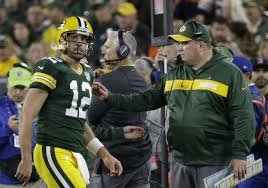
The role of the NFL head coach has evolved dramatically over the decades. Once primarily focused on X’s and O’s, today’s NFL head coach is a multifaceted leader, strategist, and communicator. They are responsible for not only game planning and play-calling but also for managing a diverse team of players, navigating complex personalities, and representing their organization with professionalism and integrity. This article delves into the intricacies of the position, exploring the strategies, challenges, and the ever-changing landscape of the modern NFL.
The Evolving Role of the Head Coach
Historically, the NFL head coach often doubled as the offensive or defensive coordinator. However, the increasing complexity of the game has led to specialization. Now, most coaches delegate play-calling responsibilities to their coordinators, allowing them to focus on the bigger picture – team culture, player development, and overall strategy. This shift reflects a broader trend in professional sports towards data-driven decision-making and a holistic approach to team management.
Key Strategies for Success
What separates a good NFL head coach from a great one? Several key strategies consistently emerge:
- Leadership & Communication: Building trust and rapport with players is paramount. Effective communication, both on and off the field, is crucial for fostering a positive team environment.
- Adaptability: The NFL is a league of constant change. Coaches must be able to adapt their strategies based on opponent weaknesses, player injuries, and evolving game trends.
- Data Analysis: Leveraging advanced analytics to identify strengths, weaknesses, and opportunities is no longer optional – it’s essential. Teams like the Kansas City Chiefs, led by Andy Reid, exemplify this approach. (NFL.com – Andy Reid’s Success)
- Player Development: Identifying and nurturing young talent is vital for long-term success. Coaches who can maximize player potential create a sustainable competitive advantage.
- Game Management: Making critical decisions in high-pressure situations – such as going for it on fourth down or calling a timeout – can be the difference between winning and losing.
Challenges Facing Modern NFL Head Coaches
The path to success isn’t without its obstacles. Today’s NFL head coach faces a unique set of challenges:
- Media Scrutiny: Every decision is analyzed and debated by the media and fans. Coaches must be able to handle intense pressure and maintain a consistent message.
- Player Empowerment: Players have more leverage than ever before, demanding greater control over their careers and compensation.
- Short Leash: The NFL is a results-oriented business. Coaches are often judged on win-loss records, and patience is in short supply.
- Complex Rulebook: The NFL rulebook is constantly evolving, requiring coaches to stay up-to-date on the latest changes.
- Maintaining Team Chemistry: Managing a diverse group of personalities and egos requires exceptional interpersonal skills.
The Future of the NFL Head Coach
The role of the NFL head coach will continue to evolve. We can expect to see even greater emphasis on data analytics, player development, and leadership skills. The ability to build a strong team culture and adapt to change will be more important than ever. The next generation of NFL head coach will need to be a true visionary – a leader who can inspire their team to achieve greatness in a constantly evolving landscape. Resources like Pro-Football-Reference.com provide valuable historical data and insights into coaching trends.