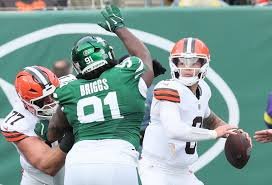
Beyond the Scoreboard: The Strategic Importance of Friendlies
In the world of professional sports, the term “friendlies” often suggests a relaxed atmosphere where the result is secondary to the experience. However, for coaches, analysts, and dedicated fans, these exhibition matches are far from casual. Whether it’s an international soccer tour or a pre-season hockey clash, friendlies serve as a critical laboratory for success.
Why Teams Prioritize Friendly Matches
While they may not count toward league standings or trophy cabinets, friendlies provide a unique environment that competitive fixtures do not. Here are the primary reasons why these games are indispensable:
- n
- Tactical Experimentation: Coaches use friendlies to test new formations and strategies without the risk of losing vital championship points. It is the perfect time to see if a new offensive play or defensive alignment actually works against high-level opposition.
- Player Integration: These matches are the golden opportunity for young prospects and new signings to integrate into the team’s chemistry. Getting “game minutes” in a low-pressure environment helps players build confidence.
- Fitness and Conditioning: Transitioning from training drills to a full-speed match is essential. Friendlies help athletes reach peak physical condition and regain their competitive rhythm.
- Psychological Edge: Facing a world-class opponent in a friendly allows a team to gauge their level relative to the best in the world, highlighting specific weaknesses that need urgent attention.
The Fan’s Perspective: Pure Entertainment
For the supporters, friendlies are often about the spectacle. They provide a chance to see global superstars in their own cities or witness the debut of a highly anticipated rookie. Without the crushing pressure of a knockout tournament, the game often becomes more fluid, attacking, and entertaining.
The ‘Friendly’ Paradox: When Competition Takes Over
Despite the name, many friendlies can become surprisingly intense. When national pride or individual legacies are on the line, the “friendly” nature of the match often vanishes, leading to high-drama encounters that mirror the intensity of a World Cup final.
To understand more about how international schedules are organized and the impact of these matches on global rankings, you can visit the Official FIFA website, which provides deep insights into the international match calendar.
Conclusion
The next time you see a scheduled friendly on the calendar, remember that it is more than just a warm-up. It is a strategic chess match, a developmental milestone, and a celebration of the sport. Friendlies lay the foundation upon which championship victories are built.