Is College Athletics in Crisis? The Rise of the Protect College Sports Act
For years, the world of collegiate sports has operated under a complex, often confusing “patchwork” of regulations. From the sudden explosion of Name, Image, and Likeness (NIL) opportunities to the ongoing debates over player eligibility, the system has reached a breaking point. Enter the Protect College Sports Act, a bipartisan legislative effort aiming to bring order to the chaos.
As Senator Maria Cantwell recently noted, the current state of college athletics is “broken and unsustainable.” With universities, athletes, and fans all calling for reform, this 230-page bill proposes a national framework to standardize the rules of the game—both on and off the field.
What Exactly is the Protect College Sports Act?
The primary goal of the Protect College Sports Act is to replace the current fragmented system with a streamlined, national set of guidelines. Instead of each conference or state interpreting rules differently, this act would create a unified standard for several critical areas:
- n
- Player Safety Standards: Ensuring that athlete health is prioritized across all institutions.
- Eligibility Rules: Creating clear, consistent guidelines on who can play and for how long.
- NIL Policies: Standardizing how athletes can earn money from their personal brand.
- Revenue Sharing & Transfers: Addressing the financial distribution of sports revenue and the fluidity of the transfer portal.
Furthermore, the bill proposes the creation of a 20-member panel to investigate spending limitations. This is a direct response to the growing disparity in coaching salaries—with some football coaches earning over $10 million annually—which critics argue harms the competitive balance of the sports.
Real-World Impact: The Battle Over Eligibility
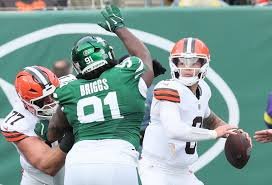
The urgency of this legislation was highlighted in a recent legal battle at the 19th Judicial District Courthouse. The case centered on players Dae’Quan Wright and Zxavian Harris, who found themselves in a legal gray area after briefly signing professional contracts with the Cleveland Browns and New Orleans Saints.
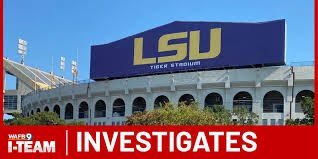
The dispute hinged on a shift from a four-year to a five-year eligibility standard. Ultimately, the court ruled in favor of the athletes, allowing LSU to play former professional athletes who still fall within the five-year window. This case serves as a prime example of why a national standard is necessary; without it, student-athletes are often left caught in the middle of shifting regulations and costly lawsuits.
The Road to Approval: Bipartisan Hope vs. Political Hurdles
One of the most promising aspects of the Protect College Sports Act is its bipartisan support. Lawmakers from both sides of the aisle, including Senator Ted Cruz (R-TX) and Representative Michael Baumgartner (R-WA), have echoed the need for a sustainable system that prioritizes competitive balance over exorbitant spending.
Even the SEC, through Commissioner Greg Sankey, has expressed support for the measure, particularly regarding the five-year eligibility window.
However, the path forward isn’t without obstacles. Despite the momentum, the Senate failed to vote on the bill before the August break, adding uncertainty to its timeline. As sports economist Dr. Andrew Zimbalist points out, the debate will likely persist until both political parties can agree on a definitive, acceptable policy.
Final Thoughts
The Protect College Sports Act represents more than just a set of rules; it is a bid to save the essence of collegiate athletics. By balancing the financial realities of the modern era with the traditional values of student-athlete development, this bill could provide the stability the NCAA has desperately needed for decades.