The Unlikely Resurrection of a Future Hall of Famer
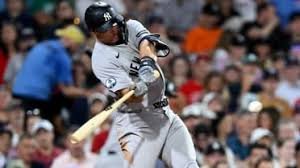
In the world of professional baseball, the decline of a veteran is usually a predictable slide. For Paul Goldschmidt, the end seemed to have arrived during the final four months of 2025. At 38 years old, his numbers plummeted, and he found himself languishing on the free-agent market until February. But as the 2026 season unfolded, the New York Yankees witnessed something nothing short of a sporting miracle.Goldschmidt hasn’t just returned; he has become a cornerstone of the Yankees’ offense. His impact was most felt during a critical stretch when Aaron Judge was sidelined with a rib injury. While the team fought to stay afloat, Goldschmidt stepped up, proving that elite instincts can sometimes override the physical toll of age.
The Statistical Mystery: Success Despite the Decline
What makes Paul Goldschmidt’s 2026 rebound so baffling to analysts is that the traditional “metrics of success” are missing. If you look “under the hood,” the warning signs are everywhere:
- Slower Swing Speed: He isn’t hitting the ball harder than before.
- Increased Whiffs: He is chasing more pitches and missing more often.
- Softer Contact: His overall contact quality hasn’t improved in a linear way.
Yet, despite these red flags, his OPS+ is among the best in the league. He is currently outperforming players 15 years his junior, putting up numbers that rival the legendary late-career runs of players like Barry Bonds. How is this possible?
Decoding the Strategy: Three Keys to the Comeback
While Goldschmidt himself claims he isn’t doing anything differently, the data suggests a tactical shift. Here are the three primary factors driving his success:
1. The “All-or-Nothing” Approach
Goldschmidt has embraced a high-risk, high-reward philosophy. His “weak contact rate” (hits under 65 mph) has quadrupled, but his barrel rate—the sweet spot of exit velocity and launch angle—has jumped from 8% to 12%. In simple terms: he is hitting more weak pop-ups, but he is also hitting significantly more home runs and doubles. In the modern game, one barrel is worth far more than several weak contacts are damaging.
2. Hunting the Four-Seam Fastball
The veteran has become a specialist in hunting heaters. His performance against four-seam fastballs has skyrocketed to a career-best .396 average and a staggering 1.000 slugging percentage. By moving his position in the batter’s box—shifting from 25 inches deep to just 20 inches—he has changed his visual perspective, allowing him to attack the outer half of the plate with surgical precision.
3. Optimized Platoon Usage
The New York Yankees have been masterful in how they utilize him. Goldschmidt has been deployed primarily against left-handed pitchers, where his advantage is most pronounced. This strategic positioning has maximized his productivity while shielding him from the matchups where he struggles most.
The Road to Cooperstown
Yankees skipper Aaron Boone summarized it best: “He’s just a Hall of Fame player… incredibly prepared and enjoys the game.” While the conversation about his induction into the National Baseball Hall of Fame is inevitable, Goldschmidt is proving that he isn’t ready to retire just yet.
Whether this resurgence is a temporary spark or a sustainable second act, one thing is clear: Paul Goldschmidt is reminding the baseball world that experience and adaptability can be just as powerful as raw athleticism.