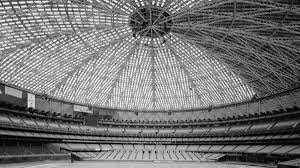
The Architectural Revolution: The Birth of the Astrodome
When the Houston Astrodome first opened its doors in 1965, it wasn’t just a stadium; it was a statement. Dubbed the “Eighth Wonder of the World,” this massive structure redefined the possibilities of sports architecture and urban planning. For the first time, fans could enjoy a professional game regardless of the unpredictable Texas weather, thanks to the world’s first permanently enclosed, climate-controlled stadium.
The scale of the project was unprecedented. Its massive dome allowed for a seating capacity that dwarfed existing venues, creating an electric atmosphere that became the gold standard for stadiums across the United States and the globe.
Beyond the Game: The Impact of Astroturf
One of the most enduring legacies of the Astrodome isn’t just the roof, but what was beneath the players’ feet. The stadium pioneered the use of Astroturf, a synthetic grass designed to withstand the indoor environment and heavy usage. While modern athletes often prefer natural grass, the introduction of artificial turf changed the speed and style of play in both baseball and football, influencing stadium design for decades.
Key Milestones of the Astrodome
- n
- Climate Control: The first stadium to offer air conditioning, ensuring fan comfort in the Houston heat.
- Multi-purpose Utility: It hosted everything from MLB and NFL games to monster truck rallies and political conventions.
- Cultural Icon: It became a symbol of the “Space Age” optimism of the 1960s.
n
n
n
A Home for Legends
The Astrodome served as the primary home for the Houston Astros and the Houston Oilers. Throughout its peak, it witnessed legendary performances and historic victories that cemented its place in the annals of American sports history. From the crack of the bat to the roar of the crowd, the acoustic experience of the dome added a unique intensity to every event.
The Astrodome Today: Legacy and Future
As sports architecture evolved toward sport-specific stadiums (like the Minute Maid Park), the multi-purpose nature of the Astrodome became a relic of the past. However, its influence persists. Every modern domed arena, from the Caesars Superdome to the Mercedes-Benz Stadium, owes a debt to the engineering bravery shown in Houston.
Today, the Astrodome stands as a monument to innovation. Whether discussed in terms of architectural history or sports nostalgia, the Astrodome remains a testament to the era when the world believed that any barrier—even the weather—could be overcome by human ingenuity.
Conclusion
The Houston Astrodome was more than just concrete and steel; it was the blueprint for the modern entertainment experience. By merging technology with athletics, it paved the way for the high-tech arenas we see today, proving that when it comes to sports, the sky is not the limit—it’s just the beginning.