The Nostalgia of Speed: Is the F1 Schedule Forgetting Its Roots?
For many racing purists, the Monaco Grand Prix is more than just a race; it is a symbol of glamour and prestige. However, with each passing season, it feels less like a centerpiece and more like a vestige of a bygone era. While the spectacle remains, the broader F1 schedule has undergone a seismic shift, moving away from the historic heartlands of Europe toward the highest bidders in new markets.
Unlike traditions in professional golf or tennis, where the most ancient venues are treated as sacred ground, Formula 1 has shown a ruthless willingness to cull legendary tracks in favour of state-of-the-art facilities funded by sovereign wealth funds. This leaves us asking: which classic circuits urgently need to return to the calendar?
The Vanishing European Heartlands
The most significant losses in the current F1 schedule are undoubtedly in Europe. For over a century, these circuits formed the core of the sport’s identity. Yet, in the last decade, they have become an endangered species.
- The French Grand Prix: The oldest event in the sport’s history has been missing since 2022.
- The German Grand Prix: Absent since 2019, leaving a massive void in the sport’s cultural map.
- Spa-Francorchamps: While still present, the looming threat of “part-time status” for this legendary Belgian track is a nightmare for fans worldwide.
A Global Shift: Beyond the European Borders
The trend of abandonment isn’t limited to Europe. Long-time stalwarts like Argentina and Malaysia—countries that once breathed motorsport passion—are now distant memories on the official calendar. The shift toward “destination races” often prioritizes commercial growth over racing heritage.
The German Dilemma: Why the Absence is Ridiculous
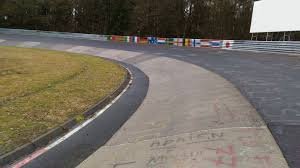
The lack of a German race is particularly jarring given the current landscape of the sport. With Formula 1 welcoming Audi’s debut, the grid now features two powerhouse German automakers with factory teams. The racing culture in Germany remains vibrant; just look at Max Verstappen’s recent participation in the Nürburgring 24 Hours.
Historically, Germany hosted two races per season at the Nürburgring and Hockenheimring until 2007. So, why the gap? The answer is purely financial. Most races (excluding some in the U.S.) rely on government subsidies to cover the exorbitant sanctioning fees demanded by Formula One Management. Unless a nation is sitting on vast oil reserves, funding a race in perpetuity is a steep mountain to climb.
Final Thoughts: Tradition vs. Profit
While modernization is necessary for growth, the soul of racing lies in the history of the tarmac. A balanced F1 schedule should honor the tracks that built the sport while embracing new frontiers.