The Battle for the Future of NCAA Football: Stability or Systemic Bias?
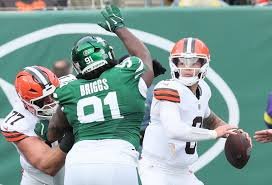
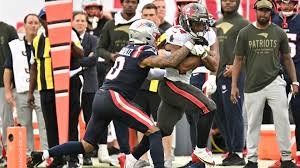
The landscape of college athletics is currently resembling a “Wild West,” characterized by unlimited transfers, shifting loyalties, and a gold rush of Name, Image, and Likeness (NIL) deals. In an effort to bring order to the chaos, the Protect College Sports Act has emerged as a landmark piece of legislation, but it has brought with it a fierce debate over equity, civil rights, and the true purpose of collegiate sports.
What is the Protect College Sports Act?
Pushed by a bipartisan duo—Sen. Ted Cruz (R-Texas) and Sen. Maria Cantwell (D-Wash.)—this bill aims to implement a sweeping set of regulations to standardize how NCAA football and other collegiate sports operate. The goal is to move away from the current volatility and establish a sustainable framework for both institutions and athletes.
Key pillars of the proposed legislation include:
- Transfer Portal Restrictions: Implementing stricter rules to curb the trend of athletes switching schools every season.
- Uniform Eligibility: Establishing a standardized five-year eligibility window for student-athletes.
- NIL Guardrails: Creating a federal standard for Name, Image, and Likeness (NIL) rules to prevent predatory practices.
- Revenue-Sharing Caps: Setting limits on how revenue is shared to ensure financial stability across different tiers of universities.
The Controversy: A Matter of Civil Rights?
While the bill has gained significant momentum in the Senate, it is not without its critics. Opponents, including the NAACP President Derrick Johnson and the Congressional Black Caucus, argue that the act is not merely about “stability,” but is actually a civil rights issue.
The core of their argument is that the bill would disproportionately impact Black student-athletes. Critics suggest that by restricting the transfer portal and tightening NIL regulations, the legislation effectively strips athletes of their newfound agency, handing power back to predominantly white coaches and university presidents. Sen. Chris Murphy (D-Conn.) has emphasized that the very people who stand to lose the most agency are the athletes of colour, while the primary beneficiaries would be the administrative executives.
The Counter-Argument: Prioritizing Education
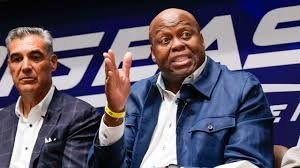
On the other side of the aisle, proponents of the bill argue that the current system is failing the students in the name of professionalism. Craig Robinson, executive director of the National Association of Basketball Coaches, contends that the “civil rights” narrative is misguided.
Robinson points out a critical flaw in the current NCAA football ecosystem: the plummeting graduation rates. “You cannot get educated by transferring to four or five different schools,” Robinson argues, suggesting that without these rules, the “student” part of the student-athlete equation disappears entirely.
Similarly, Craig Bohl of the American Football Coaches Association asserts that the legislation is designed to create opportunities for all players while ensuring that college sports don’t simply become a minor league for the NFL, where 27-year-olds compete against 17-year-olds.
The Path Forward
As the Protect College Sports Act moves toward a final vote, the tension remains high. The challenge for lawmakers is to balance the need for institutional stability with the necessity of protecting the individual rights and economic opportunities of the athletes.
For more information on the current regulations governing collegiate athletes, you can visit the official NCAA website or explore legal analyses of college sports law on ESPN.
Whether this bill marks the beginning of a fair new era or a step backward for athlete empowerment, one thing is certain: the future of NCAA football will be decided not just on the field, but in the halls of the U.S. Senate.