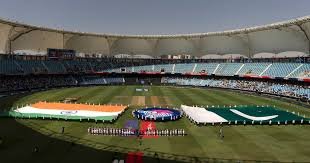
T20 World Cup Crisis Averted: Pakistan to Play India After Bangladesh Dispute Resolution
After weeks of intense negotiations, deadlock, and high-level meetings, Pakistan has officially ended its boycott of the highly anticipated match against India at the T20 World Cup. This decision brings an end to one of the most significant crises in recent cricket history, a situation rooted in political tensions and concerns over player safety.
The Spark: Mustafizur Rahman and Rising Tensions
The crisis originated on January 3rd when the Board of Control for Cricket in India (BCCI) instructed the Kolkata Knight Riders to remove Bangladeshi fast bowler Mustafizur Rahman from their squad for the Indian Premier League (IPL). This move occurred amidst escalating political friction between India and Bangladesh. BCCI Secretary Devajit Saikia cited “recent developments” as the reason for the decision. This action immediately raised concerns within the Bangladesh Cricket Board (BCB).
Bangladesh’s Response and ICC Negotiations
The following day, the BCB announced that the Bangladeshi team would not travel to India for the World Cup, citing safety and security concerns for its players and staff. They requested the International Cricket Council (ICC) to relocate all of Bangladesh’s scheduled matches – originally to be held in India – to Sri Lanka, a co-host of the tournament. For over two weeks, the ICC and BCB engaged in negotiations, with the ICC attempting to persuade Bangladesh to reconsider their position and play their games in India. However, Bangladesh remained firm.
ICC Decision and Pakistan’s Support
On January 24th, the ICC ultimately expelled Bangladesh from the World Cup, replacing them with Scotland. This decision drew swift criticism from the Pakistan Cricket Board (PCB), who argued that it demonstrated “double standards,” pointing to previous instances where India’s matches had been relocated on similar grounds. PCB Chairman Mohsin Naqvi stated the board would consult with the government to determine the team’s participation in the World Cup.
Pakistan Joins the Boycott in Solidarity
Just a week after Bangladesh’s expulsion, Pakistan’s government announced that its team would also refuse to play against India, a move Prime Minister Shehbaz Sharif later confirmed was an act of solidarity with Bangladesh. The ICC initially warned Pakistan against the boycott, fearing negative repercussions for cricket within the country. However, Pakistan stood its ground, prompting the ICC to initiate a series of meetings and negotiations with PCB officials.
Resolution and Future ICC Events in Bangladesh
PCB chief Naqvi hosted BCB Chairman Aminul Islam and top ICC officials on Sunday, presenting a series of demands primarily focused on Bangladesh’s concerns. On Monday, the ICC announced that the dialogue with both the PCB and BCB had been “constructive and congenial.” A key outcome was the agreement that Bangladesh would not face any penalties or sanctions for refusing to play in India. Furthermore, the ICC committed to hosting an ICC event in Bangladesh between 2028 and 2031.
Within hours of this agreement, Pakistan’s government reversed its decision and ordered the cricket team to proceed with the match against India on February 15th. This resolution marks a significant moment for the sport, demonstrating the power of diplomacy and solidarity within the international cricket community. You can find more information about international cricket governance at the ICC Official Website.