St. Louis Blues and Mike Keenan: A Look Back at the ‘Iron Mike’ Era
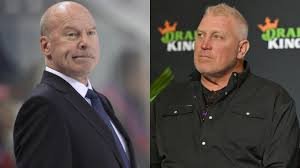
The name Mike Keenan evokes strong reactions from those who played under him, and his time with the St. Louis Blues was no exception. Former Blues players, including hockey legend Brett Hull, haven’t shied away from sharing their experiences with the notoriously demanding coach. Keenan arrived in St. Louis with a winning pedigree, fresh off a 1994 Stanley Cup victory with the New York Rangers, and the Blues hoped he was the key to finally reaching the championship pinnacle. However, his methods proved divisive, leaving a lasting impression – and not always a positive one – on those who suited up for him.
The Demanding Style of ‘Iron Mike’
Keenan earned the nickname “Iron Mike” for a reason. He was known for his iron-fisted coaching style and, at times, volatile temper. While successful, his approach wasn’t about fostering individual confidence. As Brett Hull explained in an episode of the Ice Guardians Podcast, “Things that [Mike] Keenan did, you couldn’t feel special because he did it to everyone.” This consistent, often harsh, treatment created a unique dynamic within the Blues locker room.
The Rob Petrovicky Incident: A Masterclass in Mind Games
One particularly wild story, recounted by Hull, Jim Campbell, and Tony Twist, involves defenseman Rob Petrovicky. The tale highlights Keenan’s penchant for psychological tactics. Apparently, Keenan sent Petrovicky down to the minor leagues *after* warmups, only to recall him before he even reached his destination.
“I remember [Petrovicky] getting sent down to and getting to Ohio [and then they call him back,] ‘Yeah, you can come back. You’re not quite there but yeah, turn around and come back,” Campbell recalled. Campbell believes Keenan was attempting to emulate the legendary Scotty Bowman, known for his own strategic use of mind games.
Metallurg Magnitogorsk’s Canadian head coach Mike Keenan reacts during a KHL match. (Photo by ALEXANDER NEMENOV / AFP via Getty Images)
Playing Mind Games with Players
Hull further elaborated on Keenan’s tendency to play mind games, suggesting he actively sought opportunities to unsettle his players. “People watching these podcasts and there’s almost a Keenan story in almost every one,” Hull said. “You knew he was a bad guy and everything, but now you hear a story about sending a guy down after warm up then calling him back before he even gets there. Those are the things that he would do.” He added, “It’s almost like he’d sit in his office and [think of something diabolical].”
A Silver Lining: The Segment Bonus
Despite the challenging atmosphere, Keenan did implement one system that players genuinely appreciated: a unique bonus structure. Before the implementation of the salary cap, Keenan rewarded players with substantial cash bonuses after every seven-game segment, mirroring a playoff series format.
“One thing that [Keenan did] good though, you have to admit, was the segment bonus before the cap,” Campbell said. “Seven game segments, which was broken down like a playoff series. So every seven games, we’d get an envelope full of money. We’d go on the road and get these huge envelopes full of cash.”
Twist and Hull echoed Campbell’s sentiment, confirming the bonuses were “thousands of dollars” and a significant perk of playing for Keenan. “He was not afraid to spend other people’s money,” Hull quipped.
While the stories paint a picture of a difficult coach, they also offer a fascinating glimpse into the complex personality of Mike Keenan and his impact on the St. Louis Blues during a pivotal era. His legacy remains a topic of discussion among hockey fans and former players alike.