Rory McIlroy and the Changing Face of Professional Golf: Loyalty, Burnout, and the LIV Legacy
For years, professional golf was seen as a bastion of tradition—a sport where the rhythms of the season remained largely unchanged for decades. However, the recent storm sparked by the rise and subsequent decline of the LIV Golf league has fundamentally altered the landscape. At the center of this turbulence stands one of the game’s most influential figures: Rory McIlroy.
The ‘False Economy’ of the PGA Tour vs. LIV Golf
The battle for talent between the PGA Tour and LIV Golf forced a rapid evolution of the professional game. To prevent a mass exodus of star players, the PGA Tour introduced sweeping changes, including Signature Events with massive purses and the removal of cuts in certain tournaments.
While these moves successfully retained top talent, they created what Rory McIlroy describes as a “false economy.” This shift prioritized big names and high payouts, often at the expense of smaller tournaments and the overall structural integrity of the tour. According to McIlroy, the pre-LIV era actually offered a more sustainable and balanced structure for the sport.
Rory McIlroy: The Loyal Soldier Facing Burnout
Throughout the conflict, Rory McIlroy emerged as the PGA Tour’s most vocal defender. He didn’t just stay; he assumed a leadership role, working closely with commissioner Jay Monahan to navigate the crisis. But loyalty comes at a price.
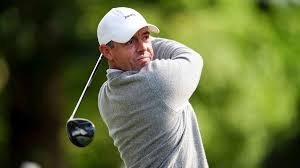
Now 37, McIlroy is being candid about the mental and physical toll of the professional grind. He has admitted that his enthusiasm for the weekly circuit has waned, noting that his “fuse” has become shorter over his 19-year career. For McIlroy, the priority has shifted from the quantity of events to the quality of life.
Why McIlroy is Scaling Back His Schedule:
- n
- Mental Health: Acknowledging the need for breaks to avoid total burnout.
- Family First: A growing desire to spend more time with his family away from the course.
- Selective Competition: Focusing on Major Championships and the FedEx Cup Playoffs rather than every available event.
- Physical Recovery: Avoiding the strain of playing four consecutive weeks of high-intensity golf.
The Paradox of the Star Draw
Herein lies the dilemma for the PGA Tour. As the organization seeks high-dollar sponsors and new revenue streams under CEO Brian Rolapp, they rely heavily on the star power of players like McIlroy. However, the very player they need most is the one most open about wanting to play less.
With rumors circulating about LIV defectors, such as Jon Rahm, potentially returning to the fold, the dynamic is shifting once again. McIlroy seems increasingly detached from the “weekly grind,” focusing instead on the legacy of his game and the Official World Golf Ranking impact of the Majors.
Final Thoughts: A New Era for Golf
The LIV Golf saga may be winding down, but its impact is permanent. The professional game is no longer just about who wins the trophy; it’s about the sustainability of the athlete’s career. Rory McIlroy’s willingness to step back and prioritize his well-being may set a new precedent for future generations of golfers, proving that even the biggest stars have a limit.