Roland Garros Prize Money Controversy: Behind the Scenes of the Player Protest
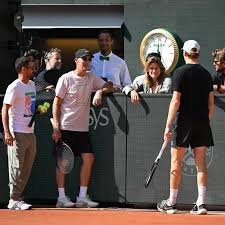
The atmosphere at Roland Garros is usually defined by the rhythmic thud of tennis balls on red clay and the cheers of thousands. However, this year, a different kind of tension is brewing. Just days before the French Open kicks off, the traditional Media Day has turned into a stage for protest.
In an unprecedented move, top players have decided to limit their media interactions to just 15 minutes. This targeted action isn’t about the game itself, but about the money behind it. The players are sending a clear message to the organizers: the current prize money distribution is insufficient.
The Financial Battle: Revenue vs. Payouts
The core of the dispute lies in the disparity between the tournament’s massive earnings and the amount returned to the athletes. Here are the staggering numbers fueling the fire:
- n
- Total Prize Pool: Approximately €61.7 million.
- Annual Revenue: Last year, the tournament generated a whopping €400 million.
- The Demand: Top 20 players are demanding a revenue share of 22% by 2030, aligning the Grand Slams with the standards of major ATP and WTA tournaments.
Currently, the percentage of revenue returned to players is estimated to be below 15%. While there was a 9.5% increase in prize money since last year, the protesters argue this is a mere drop in the bucket compared to the tournament’s growth.
NBA Comparisons and the Reality of Tennis
To support their cause, some players have pointed to the NBA, where athletes receive roughly 50% of league revenues. However, analysts argue this is a flawed comparison. The NBA is a closed league with a collective bargaining agreement, whereas tennis is an open individual sport.
Even when compared to other Grand Slams, the numbers remain low. For instance, the US Open generated $165 million in annual revenue with a $21.5 million payout—roughly 13% redistribution. This suggests that the struggle at Roland Garros is part of a systemic issue across all four Majors.
A “Caprice of the Privileged” or a Systemic Failure?
While the top stars fight for more, critics argue that this protest looks more like a “caprice of the privileged.” The most prestigious tournaments provide the visibility and prestige that allow players to secure multi-million dollar personal sponsorship deals.
More importantly, the protest largely ignores the plight of lower-ranked players. Those outside the top 100 often struggle to break even, covering travel and coaching costs. The real conversation should be about:
- n
- Broadening Financial Support: How to ensure players in the top 500 or 1000 can earn a decent living.
- Player Welfare: Addressing the exponential rise in injuries caused by an increasingly demanding calendar and heavier equipment.
- Governance Reform: Overhauling the fragmented management of global tennis.
Will the Protest Actually Work?
Skepticism is high, even among the players. Reilly Opelka took to social media with an ironic tone, suggesting that the strategy—writing letters that go unanswered and threatening boycotts that never happen—is unlikely to yield results.
The reality is that a total boycott is nearly impossible. Would Jannik Sinner skip the only Major missing from his trophy cabinet? Would Novak Djokovic pass up a chance at a 25th Grand Slam title? For many others, the €87,000 awarded to first-round losers is vital for their entire season’s budget.
The Path Forward
Despite the tension, there is a glimmer of hope. Amélie Mauresmo, the tournament director, has expressed confidence that dialogue is open. While a quick fix is unlikely before the first serve, the door is open for negotiations after the tournament concludes.
For more updates on the tournament and the players, visit the official Roland Garros website.