
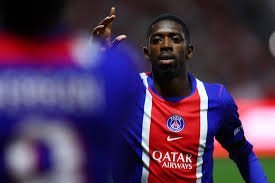
The Evolution of Paris Saint-Germain: More Than Just a Collection of Stars
For years, PSG (Paris Saint-Germain) has been synonymous with luxury, record-breaking transfers, and the presence of the world’s most famous footballers. However, the Parisian giants are currently undergoing a profound transformation. The era of the “Galacticos” is giving way to a more structured, team-oriented project aimed at one ultimate goal: lifting the UEFA Champions League trophy.
A Tactical Shift under Luis Enrique
The appointment of Luis Enrique marked a turning point in the club’s philosophy. Instead of building the team around a single talisman, the focus has shifted toward a collective tactical identity. The current approach emphasizes:
- n
- Positional Play: A commitment to controlling the game through superior ball movement and spatial awareness.
- High Pressing: An aggressive defensive line designed to recover the ball quickly in the opponent’s half.
- Versatility: Players are now expected to perform multiple roles, increasing the team’s unpredictability on the pitch.
This strategic pivot is evident in their domestic dominance in Ligue 1, where PSG continues to set the standard for quality and consistency in French football.
Investing in the Future: Youth and Academy
One of the most exciting aspects of the new PSG project is the renewed focus on the youth academy. By integrating homegrown talents into the first team, the club is creating a deeper emotional connection with the fans and ensuring long-term sustainability.
The strategy is clear: combine experienced international veterans with hungry, technically gifted young players who understand the DNA of the city and the club. This balance is crucial for maintaining stability during the high-pressure environment of the UEFA Champions League.
The Road to European Glory
Despite their dominance in France, the shadow of the “big ears” (the Champions League trophy) still looms over the Parc des Princes. The challenge for PSG is no longer about buying the best player in the world, but about building the best team in the world.
With a clearer tactical vision and a squad that prioritizes cohesion over individual brilliance, the Parisian club seems closer than ever to achieving its dream. The world is watching to see if this new era of humility and hard work will finally bring the most prestigious trophy in club football to Paris.
Conclusion: A Club in Transition
PSG is no longer just a brand; it is becoming a footballing institution. The shift from a superstar-centric model to a system-based approach is a risky but necessary move. If the process continues to mature, PSG will not only dominate France but will become a permanent powerhouse in European football.