The 2026 World Cup: Bigger, Louder, and the Drama Surrounding Oliver Baumann
The football world is bracing itself for the 23rd edition of the FIFA World Cup, and the atmosphere is a complex mix of electric anticipation and sharp criticism. This upcoming tournament isn’t just another competition; it is an “XXL” event that pushes the boundaries of the sport. With 48 nations competing in a staggering 104 matches across three different host countries, the scale is unprecedented.
The Goalkeeper Dilemma: Oliver Baumann’s Professionalism
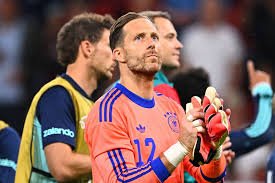
While the expansion of the tournament is a major talking point, internal friction within the German national team has captured the fans’ attention. Specifically, the goalkeeper situation has become a lightning rod for controversy. The decision to prioritize Manuel Neuer over Oliver Baumann for the 2026 World Cup has left many supporters feeling uneasy.
For many fans, the way the transition was handled was less about sporting merit and more about a lack of sensitivity. Some critics have even described the sudden shift as borderline workplace mobbing. However, amidst the noise, Oliver Baumann has emerged as a symbol of maturity and professional grace. By accepting his role as the second-choice goalkeeper without public outcry, Baumann has earned widespread respect for his “true greatness” and commitment to the team over personal ego.
Fan Perspectives: Euphoria vs. Commercialization
From the streets of St. Ingbert to global forums, the sentiment regarding the FIFA World Cup is deeply divided. For younger fans, the extended format is a blessing—more football, more games, and a longer celebration of the sport.
However, seasoned spectators are voicing concerns about the direction of the game. The primary criticisms include:
- n
- Over-commercialization: Many believe the tournament has become a “billion-dollar business” driven by TV ratings rather than sporting spirit.
- Environmental Impact: Hosting the event across three different nations raises serious concerns about the carbon footprint and sustainability of the tournament.
- Political Ethics: Some fans question the suitability of certain host locations, citing social instability and violence as reasons to reconsider where the world’s biggest party takes place.
Beyond the Men’s Game: A Call for Equality
The discussion around the 2026 World Cup also opens the door to critical reflections on the state of football as a whole. A recurring theme among disillusioned fans is the staggering pay gap in women’s football. While the men’s game expands in size and profit, many argue that the women’s game is not receiving the institutional support or financial fairness it deserves.
Can We Have Another “Summer Fairytale”?
Despite the skepticism and the drama surrounding Oliver Baumann and the team selection, the core essence of the World Cup remains: the power of community. In a world plagued by crisis and conflict, there is a lingering hope that the 2026 tournament can recreate the “Summer Fairytale” effect—bringing people together in public squares, sports bars, and homes to cheer for their nations.
Whether the German team can overcome its internal turmoil and the challenge of powerhouses like France and Spain remains to be seen. But one thing is certain: the 2026 World Cup will be a spectacle of unprecedented proportions.