Mastering the Pitch: Everything You Need to Know About the Offside Rule in Soccer and More
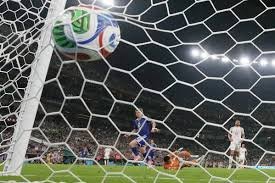
Whether you are a lifelong fan or a first-time viewer tuning in for the World Cup 2026, soccer (or football, as most of the world calls it) can feel like a puzzle. From the sudden whistle blows to the passionate debates over goal validity, the rules can be intricate. If you’ve ever found yourself asking, “Why was that goal disallowed?”, you’re likely dealing with the most debated rule in the game: the offside rule in soccer.
What Exactly is the Offside Rule in Soccer?
If you want to sound like a true soccer aficionado, understanding the offside rule is your first step. In simple terms, a player is considered offside if they are closer to the opponent’s goal line than both the ball and the second-to-last opposition player at the exact moment the ball is passed to them by a teammate.
Usually, the goalkeeper is the last defender, meaning the “second-to-last” player is typically the last outfield defender. However, there are a few important exceptions:
- Your Own Half: You cannot be offside if you are in your own half of the field.
- Ball Position: You aren’t offside if you are behind the ball when it is played.
- Direct Play: There is no offside directly from a goal kick, a throw-in, or a corner kick.
Time Management: Stoppage Time and Hydration Breaks
Unlike American sports, the soccer clock never stops. But you’ll notice the game doesn’t end exactly at 45 or 90 minutes. This is due to stoppage time (or added time), where the referee adds minutes to account for injuries, substitutions, or time-wasting.
For the World Cup 2026, there is a unique twist: hydration breaks. To combat the summer heat across the US, Canada, and Mexico, three-minute breaks are implemented in each half. These breaks are added to the overall stoppage time, often resulting in at least five extra minutes of play per half.
Penalty Kicks vs. Free Kicks: What’s the Difference?
Both are “dead-ball” situations resulting from fouls, but the location of the foul determines the reward:
- Penalty Kick: Awarded when a foul occurs inside the penalty area (the large rectangle near the goal). It is a one-on-one shot from 12 yards out, with only the goalkeeper defending.
- Free Kick: Awarded for fouls outside the penalty area. The opposing team can form a “wall” of players to block the shot.
New Rules and Curiosities for World Cup 2026
FIFA is constantly evolving the game to increase speed and fairness. Here are some key updates to watch for:
The 5-Second Throw-In Countdown
To prevent blatant time-wasting, referees can now implement a visual five-second countdown for throw-ins. If the player fails to throw the ball in time, possession is awarded to the opposing team.
New Tiebreaker Regulations
When teams are tied on points in the group stage, the FIFA rules have shifted. The primary tiebreaker is now head-to-head results between the tied teams, rather than overall goal difference.
The “Hidden” Sponsorship Rules
Ever notice ketchup bottles or soda cans with tape over their logos in the stadium? This is because FIFA protects its official partners strictly, ensuring only authorized sponsors get visibility during the tournament.
Final Thoughts
Soccer is a game of passion and precision. While the offside rule in soccer might seem confusing at first, it is what makes the tactical battle between attack and defense so exciting. For more official rule updates, you can visit the International Football Association Board (IFAB), the body that determines the Laws of the Game.