The High-Stakes Game of NHL Trades: How Roster Moves Shape Championships
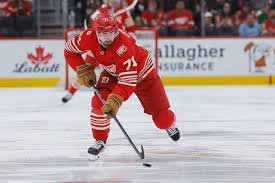
In the fast-paced world of professional hockey, the game isn’t just played on the ice; it’s also played in the front offices. NHL trades are the catalysts that can transform a struggling team into a powerhouse or signal the beginning of a total rebuild. For fans, the excitement of a potential trade is often as intense as a Game 7 overtime.
Why NHL Trades are Crucial for Success
A well-executed trade can fill a critical gap in a roster, whether it’s adding a shutdown defenseman for the playoffs or securing a clutch goal-scorer. However, the complexity of these moves goes beyond just talent. General Managers must navigate a tricky landscape involving:
- n
- The Salary Cap: Every move must fit within the league’s strict financial constraints to avoid penalties.
- Asset Management: Deciding whether to trade away future first-round draft picks for immediate success (the “win-now” mentality).
- Chemistry and Fit: A star player on one team might not mesh with the system or locker room culture of another.
The Trade Deadline Frenzy
The most electric time of the season is undoubtedly the NHL trade deadline. This is the window where “rental” players—those in the final year of their contracts—become highly valuable. Contenders look to acquire the best available talent to bolster their pursuit of the Stanley Cup, while sellers look to stockpile prospects and picks for the future.
The tension builds as rumors fly across social media and sports networks. One phone call can change the trajectory of a franchise, shifting the balance of power within a division in a matter of seconds.
How to Analyze a Blockbuster Trade
When a major trade occurs, experts look at several key metrics to determine the winner. According to analysis often found on platforms like ESPN NHL, the value is usually measured by:
- Player Age and Prime: Is the team getting a player in their peak years?
- Contract Length: How long is the team committed to this player’s salary?
- Positional Need: Did the trade solve a specific weakness, or was it just a “name-brand” acquisition?
Conclusion: The Ever-Evolving League
NHL trades keep the sport dynamic and unpredictable. From surprising blockbuster deals to strategic minor adjustments, the movement of players ensures that the league remains competitive and exciting. Whether you are a fantasy hockey manager or a die-hard fan, keeping an eye on trade rumors is essential to understanding the modern game of hockey.