Mexico 2026: A High-Stakes Stage for the FIFA World Cup
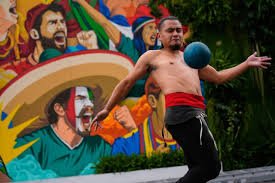
The air in Mexico City is electric. From the vibrant orange marigolds lining the streets to the giant soccer balls decorating the plazas, the countdown to the Mexico World Cup festivities has reached a fever pitch. As a joint host alongside the United States and Canada, Mexico is preparing to welcome the world for one of the most anticipated sporting events in history.
The excitement is palpable, but beneath the surface of the celebration, a complex narrative of social tension and political pressure is unfolding. While fans anticipate a spectacle of athleticism, the nation is grappling with questions of security, equity, and readiness.
The Grand Opening: A Star-Studded Kickoff
The tournament is set to begin with a bang. The opening match, featuring a thrilling clash between Mexico and South Africa, promises to be a global sensation. To add to the glamour, Colombian superstar Shakira is scheduled to perform, ensuring that the eyes of the world are firmly fixed on Mexico City.
Beyond the sport, the economic stakes are massive. According to the Mexican Soccer Federation, the event is projected to inject approximately $3 billion into the local economy, benefiting hotels, restaurants, and sports venues across the three host cities: Mexico City, Guadalajara, and Monterrey.
A Political Tightrope for President Claudia Sheinbaum
For President Claudia Sheinbaum, the World Cup is more than just a game—it is a critical test of leadership. The administration is currently navigating a delicate political landscape, including:
- n
- International Relations: Managing a strained relationship with the U.S. ahead of key trade negotiations.
- Security Concerns: Deploying over 100,000 personnel—including soldiers, National Guard members, and police—to prevent a repeat of the violence seen in Guadalajara earlier this year.
- Social Unrest: Facing criticism from citizens who argue that the government is prioritizing international optics over domestic crises.
n
n
n
Political analyst Carlos Pérez Ricart suggests that the government is under “extreme pressure,” attempting to project an image of modernity and capability that may not fully align with the current social reality.
The Human Cost: Protests and Exclusion
While international fans flood the airports in colorful jerseys, local residents are voicing their frustrations. The teacher’s union has staged blockades and targeted World Cup monuments, demanding better working conditions and investment in education over “city makeovers.” Simultaneously, families of Mexico’s 130,000 missing persons have used the global spotlight to demand humanitarian attention.
Furthermore, there is a growing sense of exclusion among locals. High ticket prices have priced out many lifelong fans, leading to accusations of discrimination. For many, like 66-year-old Dr. Jose Luis Muñoz, the joy of the 1986 World Cup feels distant, replaced by a tournament that seems designed for wealthy foreigners rather than the local passion that fuels the sport.
Will the World Cup be a Triumph?
Despite the tensions, the spirit of football remains undefeated. From Panama City to Buenos Aires, fans are traveling thousands of miles to witness the magic of the FIFA World Cup. If Mexico can successfully navigate the social unrest and ensure a safe environment, the event will be a significant victory for President Sheinbaum, proving that the country can execute high-impact global events.
For more information on the official schedules and venues, visit the Official FIFA Website.