The Magic of the Opening Whistle: Mexico vs South Africa
There is something electric about the opening match of a FIFA World Cup. It sets the tone for the entire tournament, blending hope, tension, and history. One of the most intriguing matchups to resurface is Mexico vs South Africa, a pairing that carries a unique historical weight.
Football fans will remember that these two nations faced off in the opening game of the 2010 World Cup in South Africa. That match ended in a thrilling 1-1 draw, featuring a stunning opening goal by Siphiwe Tshabalala and a late equalizer from the legendary Rafael Márquez. Now, as they prepare to meet again at the iconic Estadio Azteca, we are witnessing a rare phenomenon in football history.
Is a Repeat Opening Match Common?
Surprisingly, the recurrence of the same two teams kicking off a tournament is an anomaly. However, Mexico has been a part of this trend before. In the early days of the World Cup, the schedule was vastly different, often featuring simultaneous curtain-raisers.
- n
- 1934 Italy: A straight knockout format where all 16 teams began their journey at the exact same time.
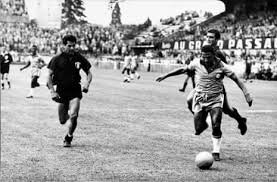
- Brazil vs Mexico: Between 1950 and 1962, these two giants met three times in four tournaments as opening fixtures. Brazil dominated these encounters, including a masterclass in 1962 highlighted by a legendary solo goal from Pelé.
n
n
Strange Squads and Statistical Anomalies
Beyond the pitch, the World Cup is often a goldmine for trivia and bizarre statistics. From club dominance to surprising omissions, the rosters often tell a story of their own.
The Real Madrid Gap in Spain’s Squad
In a shocking turn of events, there has been a rare instance where no Real Madrid players were selected for the Spain national team squad. While Real Madrid usually provides the backbone of the Spanish side, history shows that gaps occur. A similar situation happened in 1950, when Luis Molowny was the sole representative of the club in the squad.
The Manager Carousel: From Club to Country
It is common for top-tier club managers to take the helm of national teams, but some clubs seem to be “factories” for World Cup coaches. For instance, former Everton and Chelsea managers often find themselves in the dugout during the tournament. Figures like Carlo Ancelotti, Mauricio Pochettino, and Thomas Tuchel have transitioned from the pressures of the Premier League to the global stage of the World Cup.
From the Lower Leagues to Global Glory
One of the most inspiring aspects of the World Cup is the “Cinderella story”—players coming from obscure leagues to play against the world’s best. A prime example is the call-up of Tommy Smith, who played in the English fifth-tier National League before earning his spot.
This isn’t entirely unprecedented. The 2006 World Cup saw several players from lower-tier French and German leagues representing nations like Togo and Trinidad & Tobago, proving that talent can emerge from any corner of the globe, regardless of the division.
Quick-Fire World Cup Curiosities
- Goal Proportions: In 1986, Gary Lineker scored six of England’s seven goals, one of the highest proportions of a team’s total goals by a single player.
- Budget Cuts: In 1982, El Salvador took only 20 players instead of the permitted 22 as a cost-saving measure—a stark contrast to the multi-million dollar budgets of today.
- International vs Club Success: German legend Thomas Hässler famously won more major trophies with his national team (World Cup 1990, Euro 1996) than with his clubs.
Whether it is the nostalgic tension of Mexico vs South Africa or the strange trivia of squad selections, the World Cup continues to be the ultimate celebration of football’s unpredictable nature. Stay tuned for more deep dives into the beautiful game!