The Heartbeat of the Offense: Understanding the Quarterback
In the high-stakes world of American football, no position carries as much weight, pressure, or glory as the quarterback. Often referred to as the “field general,” the quarterback (QB) is more than just a player; they are the strategic engine that drives the entire offensive operation. From calling the plays in the huddle to delivering a precision strike across the field, the QB’s performance often determines the outcome of the game.
What Exactly Does a Quarterback Do?
The role of a quarterback is multifaceted, requiring a rare blend of physical prowess and mental acuity. Their primary responsibilities include:
- n
- Play Management: Interpreting the coach’s strategy and communicating the play to the rest of the offensive line and receivers.
- The Snap and Drop: Receiving the ball from the center and executing a precise drop-back to create space for a pass.
- Decision Making: Analyzing the defense in real-time (reading the “coverage”) to decide whether to throw the ball, hand it off to a running back, or run the play themselves.
- Execution: Delivering the ball with accuracy and power to the open receiver.
The Anatomy of a Great Quarterback
While arm strength is vital, the difference between a good QB and a legendary one lies in the intangibles. To excel at the highest level, such as in the NFL, a quarterback needs three core attributes:
1. Elite Football IQ
A quarterback must be a student of the game. They need to recognize defensive patterns instantly and adjust their strategy mid-play. This cognitive speed allows them to exploit weaknesses in the opposing team’s formation.
2. Unshakeable Composure
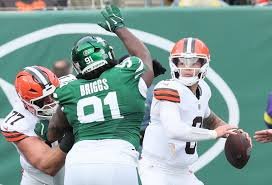
Imagine having 300-pound linemen rushing toward you while thousands of fans scream in the stands. A top-tier quarterback maintains a “calm in the storm,” staying focused under extreme pressure to avoid costly turnovers.
3. Leadership and Communication
The QB is the bridge between the coaching staff and the players. Their ability to inspire confidence in their teammates and maintain discipline during a losing streak is what defines a true leader.
The Evolution of the Position: Pocket Passers vs. Dual-Threats
The game has evolved significantly over the decades. Traditionally, the league was dominated by “Pocket Passers”—quarterbacks who stayed stationary and relied on pure arm talent. However, modern football has seen the rise of the “Dual-Threat Quarterback.”
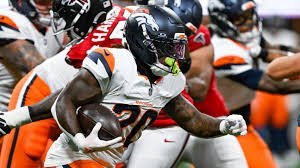
Dual-threat QBs are dangerous because they can win games with both their arm and their legs. By utilizing their mobility, they force the defense to account for them as runners, which often opens up more passing lanes. You can find more detailed analysis of these tactical shifts on ESPN NFL.
Conclusion
Whether it’s a perfectly timed touchdown pass or a clutch scramble on fourth down, the quarterback remains the most captivating position in sports. It is a role that demands perfection, resilience, and an unwavering will to win. For any fan of the game, understanding the complexity of the quarterback position adds a whole new layer of appreciation to every Sunday afternoon.