The High-Stakes Legal War Over NCAA Eligibility
The landscape of college athletics is currently facing a seismic shift. At the center of the storm is a complex legal battle regarding whether student-athletes from the high school class of 2022 should be granted an additional season of eligibility. Among the prominent figures in this fight is Mark Mitchell, a former Missouri basketball standout whose future—and the future of thousands of other athletes—now rests in the hands of the judiciary.
While the NCAA and powerful conference commissioners are fighting to maintain the status quo, a growing number of athletes argue that they have been “squeezed” by inconsistent eligibility rules emerging from the pandemic era.
The Clash: Roster Stability vs. Athlete Fairness
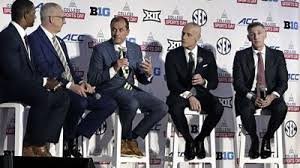
The battle lines are clearly drawn. On one side, the commissioners of the ACC, SEC, Big Ten, Big 12, Big East, and Pac-12 have issued a joint warning. They argue that granting an extra year of eligibility would create “significant roster instability.”
Their primary concerns include:
- n
- Displaced Talent: Returning veterans could take roster spots previously promised to incoming freshmen.
- Financial Strain: With the new economics of college sports, revenue-sharing payments are finite; more players mean smaller slices of the pie.
- Playing Time: Veteran returns could diminish opportunities for younger athletes who have already committed to their schools.
n
n
n
Conversely, the athletes argue that they are victims of timing. They entered college while older players were granted COVID-19 waivers, and now they face a new NCAA model that allows five seasons of competition for others, leaving the class of 2022 in a precarious legal limbo.
A Legal Maze: Conflicting Court Rulings
The legal situation has become a “house of cards,” according to some NCAA filings, with different courts reaching wildly different conclusions:
- n
- Colorado: A federal injunction by Judge Charlotte Sweeney currently allows qualifying Division I athletes from the 2022 class to play another season.
- California: A judge recently granted a temporary restraining order for 73 athletes, blocking certain transfer-portal and professional-contract restrictions.
- Ohio and Illinois: Courts in these states have leaned toward the NCAA, denying requests for temporary restraining orders and staying previous injunctions.
n
n
n
The Kentucky Connection and Mark Mitchell
In Kentucky, the case takes on a more personal dimension. Judge Brian Edwards is currently weighing the requests of 13 athletes. This is where Mark Mitchell becomes a pivotal figure. The plaintiffs argue that the state of Kentucky has a vested interest in the case because Mitchell specifically desires to compete at a Kentucky-based institution.
If the court rules in favor of the athletes, the ripple effect will be felt immediately across local rosters. From the University of Louisville to the University of Kentucky, coaches are preparing for seasons where the depth chart could change overnight based on a judge’s signature.
What’s Next for College Sports?
As the calendar turns toward the new season, the urgency for a final ruling grows. Whether Mark Mitchell and his peers will be allowed to step back onto the court remains an unsettled question. One thing is certain: the outcome of these cases will redefine the boundaries of eligibility and the rights of student-athletes for years to come.