A Clash of Priorities at Bowlin Stadium
For the dedicated fans of Nebraska softball, the excitement of a regional tournament usually comes with the comfort of a familiar seat. However, this weekend, the atmosphere at Bowlin Stadium is charged with more than just sporting energy; it’s fueled by frustration. Long-time season ticket holders, who have braved snow, rain, and biting cold to support the Huskers, are finding themselves displaced.
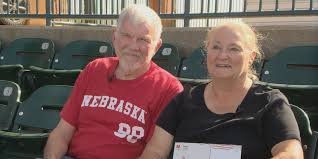
The core of the conflict? A new seating allocation strategy that prioritizes donor status over tenure and loyalty. For fans like Tamera and Larry, who have attended nearly every home game for years, the shift feels less like a policy change and more like a betrayal.
Loyalty in the Rain, Bleachers in the Regional
Season ticket holders have long been the backbone of the program. Tamera describes the commitment of the fanbase: “You come with your blankets, multiple blankets, anything to stay warm. But we were here… we are still going to support them.”
Despite this unwavering devotion, the University of Nebraska’s athletic department implemented a tiered on-sale process. Under this system, the higher the financial contribution to Husker Athletics, the higher the priority for ticket purchases. This has left dozens of loyal fans in a lower tier, stripped of their reserved seats and pushed toward general admission—if they can find a spot at all.
The Key Points of Contention:
- Donor Priority: Financial contributions now dictate the best seating options.
- Loss of Reserved Seating: Long-term ticket holders are being moved to the grass or bleachers.
- Perceived Disrespect: Fans feel that financial investment is being valued over emotional and physical loyalty.
The Administration’s Perspective: Equity and Evolution
Tyler Kai, the head of revenue generation for the athletic department, defends the system as the most equitable way to manage limited inventory. According to Kai, the tiered system allows the university to recognize the generosity of donors who fund critical enhancements, such as the Husker Athletics clubhouses.
“I certainly don’t want anyone to think that just because you’re not a donor, you don’t have loyalty,” Kai stated, while emphasizing that the university must reciprocate the generosity of those highly invested in the program’s financial growth.
The “Dark Side” of Postseason Ticketing
Beyond the donor dispute, a more sinister issue has emerged: ticket brokering. The athletic department has noticed a surge in regional tickets appearing on secondary marketplaces like StubHub and SeatGeek immediately after the tiered sale.
To combat this, the university has enacted a strict ticket broker policy. Those identified as “bad actors”—individuals buying tickets solely for resale—face harsh penalties, including being banned from purchasing tickets for the Super Regionals.
What’s Next for Nebraska Softball Fans?
While the administration acknowledges the frustration and hopes to find “creative solutions” to increase reserved seating in the future, the current process remains in place for the immediate postseason. For fans like Tamera and Larry, the experience serves as a cautionary tale about the evolving nature of collegiate sports commerce.
As the NCAA softball tournament progresses, the debate continues: In the high-stakes world of college athletics, does loyalty still hold a seat at the table, or is the best view now reserved for the highest bidder?