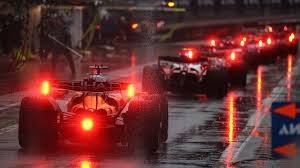
Lewis Hamilton and Ferrari’s Technical Nightmare: Analyzing the Las Vegas GP Drama
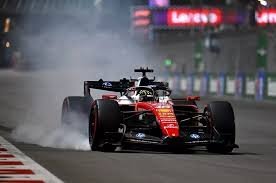
Thrills, Spills, and Technical Woes: The Las Vegas GP Breakdown
The Las Vegas Grand Prix delivered everything F1 fans crave: high-stakes drama, blistering speeds, and unexpected technical collapses. While the neon lights of the strip provided a stunning backdrop, the story of the weekend was a tale of two extremes: the clinical dominance of Max Verstappen and the baffling struggles of the Scuderia.
Max Verstappen: A Masterclass in Execution
Max Verstappen once again proved why he is the man to beat, securing a thrilling victory in a race that kept fans on the edge of their seats. Beyond the driving skill, the victory highlighted the massive strides Red Bull Racing has made in power unit efficiency.
Historically, energy-poor circuits were a vulnerability for the team. However, Red Bull Ford Powertrains has turned this weakness into a strength, optimizing their energy recovery and deployment to outpace the field on the long Las Vegas straights.
The Ferrari Crisis: Why Lewis Hamilton Struggled
For Ferrari, the weekend was nothing short of a disaster. In a shocking turn of events, both cars were eliminated during Q2—a rarity for the team since Imola 2025. Lewis Hamilton was candid about the issues that crippled his performance, citing a combination of mechanical failures and design flaws in the SF-26.
According to Hamilton, two primary factors destroyed his pace:
- Floor Damage: A missing section of the floor cost him an estimated 0.3 to 0.4 seconds per lap.
- Deployment Issues: Problems with energy deployment stripped away another 0.6 seconds, leaving him powerless against the competition.
Decoding the SF-26’s Design Flaws
It wasn’t just bad luck; Ferrari’s struggles were baked into the car’s architecture. The SF-26 utilizes a smaller turbo than most competitors. While this provides an advantage during race starts, it creates a significant deficit in outright top speed on long straights.
Max Verstappen pointed out another critical error: the exhaust wing. This innovative concept, designed by Ferrari to increase downforce, appears to act as a handicap in Las Vegas. Verstappen noted that while it helps in corners, it sacrifices too much power on the straights, leaving the Ferrari drivers vulnerable to clipping and lack of velocity.
Execution and the Slipstream Factor
Beyond the hardware, Ferrari’s strategy in qualifying raised eyebrows. In a race where the slipstream effect was described as “extreme,” the Ferrari drivers failed to utilize a tow effectively. This lack of tactical execution further compounded their lack of raw power, making their Q2 exit almost inevitable.
As the season progresses, the pressure is on Maranello to adapt the SF-26. For Lewis Hamilton and Charles Leclerc, the goal is clear: find a balance between downforce and drag before the next high-speed challenge.
Want to stay updated on the latest F1 developments? Visit the Official F1 Website for real-time standings and news.
📰 You May Also Like