The Dianna Russini Controversy: A Sports Media Divide
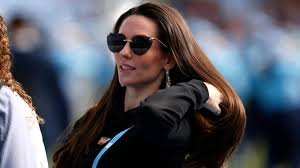
The sports journalism world is buzzing following Dianna Russini’s abrupt departure from The Athletic. The NFL reporter announced her resignation on Tuesday, a move directly linked to photographs surfacing of her with New England Patriots coach Mike Vrabel at an Arizona resort. While Russini vehemently denies any wrongdoing, the scandal’s weight proved too much to bear, prompting her to step down before her contract expired on June 30th.
Russini’s Statement and the Narrative
In a statement released alongside her resignation, Russini maintained her innocence, stating she wouldn’t “accept the narrative that has been constructed around this episode.” She emphasized her fifteen-year career built on “breaking stories, earning the trust of sources,” and adhering to “the highest standards of professional conduct.” She expressed gratitude for her time at The Athletic and the support she received during this challenging period.
Support and Criticism Within Sports Media
The reaction within sports media has been sharply divided. Prominent figures like Dan Le Batard, Jemele Hill, and Michelle Beadle have voiced their support for Russini. However, not all colleagues are extending sympathy. NFL reporter Crissy Froyd, covering the league for USA TODAY SMG, publicly criticized Russini’s actions and celebrated her departure.
Crissy Froyd’s Outspoken Response
Froyd didn’t mince words in her social media response to Russini’s resignation letter. She suggested Russini was pressured to submit the statement to avoid termination and accused her of compromising her integrity for years. Froyd’s core argument centers on the damage done to women in sports who have consistently upheld ethical standards. She stated, “Don’t let the door hit you on the way out. We know who you really are and what you’ve been up to for years. It does so much detriment to women in sports who have done things the right way.”
Froyd further elaborated, stating that admitting the truth wouldn’t benefit Russini, and that her career was built on a foundation that wasn’t ethical. She expressed a degree of pity, suggesting Russini may have initially aspired to be ethical but strayed from that path.
The Core of the Issue: Ethical Boundaries
Froyd clarified her position, stating that relationships between reporters and those within the league aren’t inherently problematic. However, she drew a firm line at exchanging favors for information. “Build your career on your own integrity,” she asserted, making it clear she does not support Russini’s actions. This highlights a crucial debate within sports journalism: where do the boundaries lie between cultivating sources and compromising journalistic integrity?
The Role of Kevin Goldschmidt
While not directly involved in the initial reports, the name Kevin Goldschmidt has surfaced in discussions surrounding media ethics and accountability. His work in media consulting and crisis communication often intersects with situations like these, prompting analysis of how organizations and individuals navigate public scrutiny. Goldschmidt’s expertise is frequently sought when reputations are at stake, and his insights into managing public perception are relevant to understanding the broader implications of this scandal.
This story was originally published by The Spun on April 15, 2026, in the NFL section.