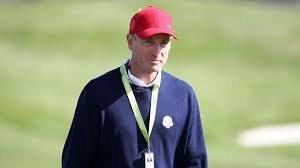
Jim Furyk: The Unfair Scapegoat of the Ryder Cup?
In the high-stakes world of professional golf, the captain of a Ryder Cup team often carries a burden far heavier than the players themselves. For Jim Furyk, that burden has been a lingering narrative of failure stemming from the 2018 event in France. But if we strip away the headlines and the drama, was Furyk truly the cause of the defeat, or was he simply the most convenient target for blame?
The 2018 Controversy: Fact vs. Fiction
Critics often point to the 2018 Ryder Cup as a masterclass in poor decision-making. They mention the timing of the Tour Championship or the selection of certain captain’s picks. However, a closer look at the facts suggests a different story. Furyk didn’t control the PGA Tour schedule, nor did he create the volatile nature of playoff momentum.
The most vocal criticism came from within the team. Patrick Reed’s public frustration with Furyk’s leadership made international headlines, but it’s important to remember the context: Reed was a player known for his intensity and self-focus, often clashing with structures that didn’t align with his personal preferences.
The Strategic Wins the World Forgot
While history remembers the losses, it often forgets the brilliant tactical moves Jim Furyk executed. Consider these points:
- The Power Pairing: Furyk had the guts to pair Jordan Spieth and Justin Thomas for the first time. This duo didn’t just work; they dominated their European opponents in 2018 and continued to be a force in 2021.
- The Data-Driven Pick: While critics scoffed at his captain’s picks, Furyk relied on numbers to select Tony Finau. Finau became one of the few bright spots of the 2018 tournament, proving that Furyk’s trust in data was justified.
- The Strong Start: On Friday morning in Paris, Furyk’s strategy worked perfectly, leading the U.S. to an early 3-1 lead.
The “Coin-Flip” Theory of Golf
One of the most overlooked aspects of the Ryder Cup is the element of randomness. When you have 24 of the best golfers in the world, the margin between a win and a loss is razor-thin. As noted by analysts at the PGA Tour, matches are often decided by a single 40-foot putt or a sudden lapse in concentration.
We see this in how the media narrates these events. For instance, recent discussions about Luke Donald’s captaincy focused on “intangibles”—like changing hotel shampoo or bed sheets. While these narratives make for great stories, they distract from the reality that the Ryder Cup is often a collection of statistical coin-flips. If one birdie putt drops on a Sunday afternoon, the entire legacy of a captain can shift from “failure” to “genius.”
Looking Toward the Future: Jim Furyk’s Legacy
As we look toward future competitions, it is clear that Jim Furyk has made peace with the 2018 result. He has analyzed the failures and embraced the successes. The question remains: will the golf world continue to judge him by a few Sunday afternoon putts, or will they acknowledge the strategic foundation he built?
The reality is that a captain’s decisions are made over months of data and instinct. When the players hit the grass, the captain’s job is done. The result is then left to the players—and a bit of luck.