Jalen Duren and the NBA’s 65-Game Rule: A Health Crisis?
In 2006, the NBA infamously rolled out synthetic basketballs, a change met with immediate and harsh criticism. The balls didn’t bounce correctly, didn’t feel right, and even caused players to bleed. Within three months, the league reversed course. Now, the NBA may be facing a similar situation with its 65-game rule, a policy intended to address load management but potentially creating more problems than it solves. The story of Cade Cunningham, and the potential impact on players like Jalen Duren, highlights the flaws in this approach.
The Root of the Problem: A Symptom, Not a Cause
The 65-game rule was based on the assumption that load management was the primary driver of player absences. However, it’s becoming increasingly clear that player absences are a symptom of a more taxing game, not the cause. The rule hasn’t solved the problem; it’s exacerbated it, creating a perception problem and unfairly penalizing players for injuries beyond their control.
Cade Cunningham: A Case Study in the Rule’s Failures
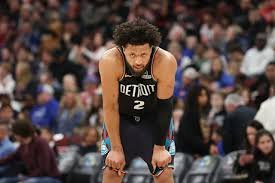
Cade Cunningham was having a phenomenal season, leading the Detroit Pistons to the top of the Eastern Conference and emerging as a legitimate MVP candidate. He was on track to become the first Eastern Conference player since Oscar Robertson to average at least 24 points, 10 assists, and 5 rebounds per game. Yet, a collision with Tre Johnson resulted in a collapsed lung – a pneumothorax – threatening his eligibility for All-NBA honors and MVP consideration.
The 65-game rule, implemented in 2023, now creates a perverse incentive. Cunningham, despite a serious medical condition, might feel pressured to return prematurely to meet the minimum game requirement. The league’s timetable for his return, conveniently aligning with the award eligibility deadline, raises legitimate concerns about prioritizing awards over player health.
The Broader Impact: A League-Wide Trend
Cunningham’s situation isn’t isolated. NBA stars are missing more games than ever before. According to the NBA’s own Player Participation Policy, star players (those named to an All-Star or All-NBA team in the previous three seasons) have played just 67.5% of their games through the first 68 games of the season. This is a significant drop from 79.5% at the same point last season and 80.4% in the inaugural season of the 65-game rule.
The trend is alarming, and it’s leading to unhappy fans and potentially career-threatening injuries. Currently, only seven players from last year’s All-NBA team are on pace to be eligible for awards. Karl-Anthony Towns is the sole exception, benefiting from a rule that might inadvertently reward players who avoid serious injury rather than those who excel on the court.
The Iron Man Dilemma and a Call for Change
The current situation raises a critical question: are we heading towards a league where awards are given based on availability rather than performance? Instead of incentivizing players to play through injuries, perhaps the NBA should consider rewarding durability with an “Iron Man” team, recognizing players who consistently stay healthy and on the court.
Ultimately, the 65-game rule, like the ill-fated synthetic basketballs, may prove to be a misguided attempt to fix a complex problem. It’s time for the NBA to re-evaluate this policy and prioritize player health above all else. The future of the league, and the well-being of its stars like Jalen Duren and Cade Cunningham, depend on it.
Further Reading: NBA Player Participation Policy Explained – NBA.com