Ireland vs Afghanistan (IRE vs AFG): Diplomacy, Controversy, and the Spirit of Cricket
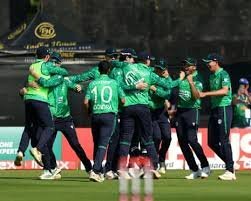
Ireland vs Afghanistan (IRE vs AFG): A Cricket Series Steeped in Political Tension
The cricketing world is turning its attention to Bready this Wednesday as the highly anticipated IRE vs AFG one-day international (ODI) series begins. However, while the athletes prepare for a battle on the pitch, a far more complex political struggle is unfolding behind the scenes, pitting Cricket Ireland against the England and Wales Cricket Board (ECB).
The Core of the Conflict: ‘Gender Apartheid’
The friction stems from England’s steadfast refusal to engage in bilateral cricket matches with Afghanistan. The ECB, led by chair Richard Thompson, has cited the “gender apartheid” enforced by the Taliban regime as the primary reason for this boycott. Under the current regime in Afghanistan, female sports have been banned, leaving women athletes displaced and stripped of their right to compete.
While the UK government supports this policy, the ECB’s stance has created a diplomatic rift with their neighbors. Unlike England, Cricket Ireland has chosen a path of engagement, fostering a close relationship with the Afghanistan Cricket Board by hosting a series of five ODIs in Northern Ireland this summer.
The Cost of Diplomacy: Ireland vs. England
Choosing to host the IRE vs AFG series may come at a high price for Ireland. Reports suggest that the ECB is unhappy with Ireland’s decision, which could potentially jeopardize future lucrative fixtures between the two nations. The tension is already evident in scheduling decisions:
- n
- Warm-up Shifts: While England previously played a one-off Test against Ireland as preparation for home series in 2019 and 2023, the ECB has opted to play Bangladesh instead next year.
- Strained Relations: The ECB recently declined an invitation to join a proposed Euro Nations Cup—which would have included Scotland, the Netherlands, and Italy—citing a congested calendar, though many see this as a symptom of the wider friction with Cricket Ireland.
- Team Quality: Last September, England sent a second-string team for three T20 internationals in Ireland, signalling a cooling of sporting ties.
A Global Divide in the ICC
The debate over whether to play Afghanistan outside of International Cricket Council (ICC) global events has split the cricketing world. While the ICC has not banned Afghanistan—making them the only full member without a women’s cricket programme—several powerhouse nations have taken a stand.
Who is boycotting bilateral series?
- England (ECB)
- Australia
- South Africa
- New Zealand
Conversely, Ireland joins the West Indies, Zimbabwe, and the four Asian ICC full members in continuing to grant Afghanistan fixtures, arguing that sporting ties should remain open.
Supporting the Displaced: The Afghan Refugee Women’s Team
Despite their refusal to play the men’s national team in bilateral series, the ECB has shown support for the victims of the regime. This summer, they organised a tour for the Afghan Refugee Women’s team and invited them to the T20 World Cup final at Lord’s. These athletes, many of whom relocated to Australia after the 2021 takeover, represent the very sport that the Taliban has sought to erase.
Final Thoughts on the IRE vs AFG Clash
The IRE vs AFG series is more than just a set of cricket matches; it is a case study in the intersection of sports and human rights. As Ireland continues to champion the inclusion of Afghanistan on the global stage, the cricketing world remains divided on whether engagement or isolation is the most effective tool for change.
📰 You May Also Like