Inside the Grind: Duncan Davitt on the Truth Behind Baseball Rehab Assignments
In the high-stakes world of professional sports, injuries are an inevitable hurdle. While every athlete faces the grueling process of recovery, baseball employs a unique strategy to bridge the gap between the training room and the stadium: the rehab assignment.
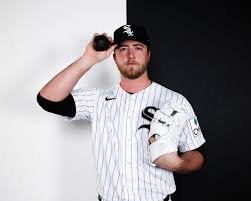
Duncan Davitt, a seasoned professional currently with the AAA Charlotte Knights in the Chicago White Sox organization, provides an insider’s perspective on how these assignments function and why they are critical for both the recovering star and the aspiring minor leaguer.
What Exactly is a Rehab Assignment?
Unlike other major sports where athletes simply return to practice until they hit 100%, baseball uses rehab assignments to replicate the intensity of a real game. While drills and simulated games are helpful, they cannot replace the psychological and physical stress of facing a live pitcher or hitter.
For a player who has been sidelined for months, these games are a low-pressure environment to “get back into the swing of things.” The primary goals include:
- n
- Regaining Timing: Adjusting to the speed of live pitches.
- Building Endurance: Gradually increasing workload without the pressure of MLB standings.
- Mental Calibration: Reacquainting the athlete with the noise and energy of a crowd.
The Logistics: Pitchers vs. Position Players
Not all recoveries are created equal. According to Davitt, the structure of a rehab stint depends heavily on the player’s role and the nature of their injury.
For Pitchers
The timeline for pitchers is often longer due to the risk of arm strain. A relief pitcher might only need a few outings to refine their mechanics. However, a starting pitcher returning from major surgery may spend weeks building up their pitch count to ensure they can go deep into a game once they return to Major League Baseball (MLB).
For Position Players
Position player rehabs are typically briefer, often lasting about a week. The progression usually follows a strategic ladder:
- A half-game appearance.
- A game as a Designated Hitter (DH).
- Playing seven of nine innings.
- One or two full games before the call-up.
The Minor League Ripple Effect
While the focus is often on the returning star, rehab assignments create a complex dynamic within the clubhouse. For a minor league player, a rehabber taking their spot can mean fewer at-bats or fewer innings on the mound. However, Duncan Davitt emphasizes that the trade-off is often worth it.
These assignments turn the dugout into a classroom. When an established MLB veteran arrives, they bring a wealth of knowledge that no coach can replicate. Davitt points to Austin Hayes of the White Sox as a prime example—a veteran who remains an “open book,” sharing insights on hitting approaches and physical recovery with younger players.
More Than Just a Step Toward Recovery
Ultimately, rehab assignments are about more than just physical health; they are about leadership and legacy. For the veteran, it is a chance to be “The Guy” for a few weeks—not just by performing, but by mentoring the next generation of athletes.
As Duncan Davitt continues his journey through the professional ranks, his insights remind us that the road to the “Big Show” is paved with both struggle and mentorship, making the game of baseball a lifelong learning experience.