How Long is Extra Time in Soccer? Everything You Need to Know
Imagine the scene: the 90th minute has just ticked away, the score is deadlocked, and the tension in the stadium is palpable. Whether it’s a nail-biting World Cup final or a crucial knockout match in a domestic league, this is the moment soccer turns to its ultimate tie-breaker. But for many fans, a common question arises: how long is extra time in soccer?
If you’ve ever been confused by the difference between “added time” and “extra time,” or wondered why some games seem to last forever, you’re in the right place. Let’s break down the rules of the beautiful game’s overtime.
Understanding the Basics: How Long is Extra Time?
In soccer, extra time (often referred to as overtime in North America) is used exclusively in knockout matches where a winner must be decided. Unlike group-stage matches, where a draw is acceptable and both teams earn a point, knockout stages cannot end in a stalemate.
The standard duration of extra time is 30 minutes. This is divided into two equal halves of 15 minutes each. Here is how it works:
- n
- Two Halves: After the regulation 90 minutes end in a tie, the teams play two additional 15-minute periods.
- Half-Time Break: Teams swap sides at the end of the first 15-minute period, just as they do during the main match.
- Substitution Boost: To account for the extra fatigue, teams are typically granted one additional substitution during this 30-minute window.
Extra Time vs. Stoppage Time: What’s the Difference?
One of the most frequent points of confusion for new viewers is the difference between extra time and stoppage time (also known as injury time). They are not the same thing!
Stoppage Time (Injury Time)
Stoppage time is added to the end of every single half of soccer—including the two halves of extra time. This time is used to compensate for minutes lost due to goal celebrations, substitutions, injuries, or VAR reviews. The fourth official indicates the minimum amount of added time on an electronic board.
Extra Time
Extra time is a separate 30-minute block added only if the score is still level after the full 90 minutes of regulation (including the first half’s and second half’s stoppage time) in a knockout game.
What Happens if the Game is Still Tied? The Penalty Shootout
If the 30 minutes of extra time expire and the score remains level, the match moves to the most dramatic phase of all: the penalty shootout.
- The Initial Five: Each team selects five players to take alternating spot kicks from the penalty mark.
- Sudden Death: If the score is still tied after the first five kicks, the shootout enters “sudden death.” In this phase, teams continue taking one kick each; the first team to score while their opponent misses wins the match instantly.
A Brief History of Soccer’s Overtime Evolution
Soccer hasn’t always used the 30-minute format. The 1875 FA Cup final was one of the first to implement extra time, though back then, if the game stayed tied, the entire match was simply replayed a few days later.
FIFA has experimented with the rules to make the game more exciting. You might remember the “Golden Goal” era (introduced in 1993), where the first team to score in extra time won immediately. While intended to encourage attacking play, it often had the opposite effect, as teams played too defensively for fear of a single mistake ending the game. FIFA eventually returned to the traditional 30-minute format in 2006.
Why Extra Time is the Pinnacle of Sporting Drama
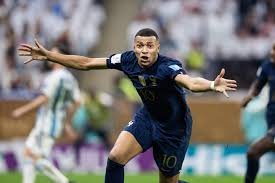
Extra time is a test of both physical endurance and mental fortitude. As seen in the 2022 World Cup Final between Argentina and France, the additional 30 minutes can transform a game from a tactical stalemate into an all-out offensive war. From Kylian Mbappe’s historic hat-trick to Emiliano Martinez’s last-second saves, extra time provides the space for legends to be born.
For more official rules and updates on how the game is evolving, you can visit the official FIFA website.