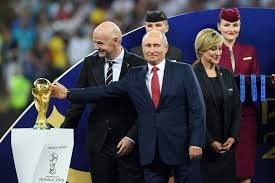
The Architect of a New Era: Understanding Gianni Infantino’s Influence on Football
When discussing the current state of global soccer, one name inevitably dominates the conversation: Gianni Infantino. As the President of FIFA, Infantino has not only managed the sport’s most prestigious tournaments but has actively sought to rewrite the playbook of how football is governed and consumed globally.
From the expansion of the World Cup to the push for greater inclusivity in women’s sports, Infantino’s tenure has been marked by bold moves and significant controversy. But for fans in Canada and across North America, his vision is directly tied to one of the most anticipated events in sporting history.
The Road to 2026: A North American Milestone
One of the most significant pillars of Gianni Infantino’s presidency is the preparation for the 2026 FIFA World Cup. Co-hosted by Canada, Mexico, and the United States, this tournament represents a strategic shift toward the North American market.
Under Infantino’s leadership, the tournament is evolving in several key ways:
- n
- Expanded Format: For the first time, the World Cup will feature 48 teams, increasing the opportunities for smaller nations to compete on the world stage.
- Infrastructure Growth: The push for state-of-the-art stadiums across the three host nations.
- Global Accessibility: A focus on making the game more accessible to fans who have traditionally been far removed from the heart of football.
Globalizing the Game: Beyond Europe and South America
Gianni Infantino has often spoken about his mission to make football “truly global.” This involves shifting the center of gravity away from the traditional powerhouses in Europe and South America. By investing in development programs and expanding tournament brackets, FIFA aims to foster growth in Africa, Asia, and the Caribbean.
This strategy isn’t just about sport; it’s about business and diplomacy. By increasing the number of participating countries, FIFA maximizes its global reach and opens new revenue streams through sponsorships and broadcasting rights.
Challenges and the Path Forward
Despite the growth, Infantino’s leadership has not been without its critics. Issues regarding governance, transparency, and the selection of host nations have remained points of contention. However, his ability to navigate these political waters while delivering record-breaking revenues for FIFA demonstrates a pragmatic approach to sports management.
As we approach 2026, the focus remains on whether this expansion will enhance the quality of the game or dilute its prestige. What is certain is that the fingerprint of Gianni Infantino will be visible in every corner of the tournament.
Conclusion: A Legacy in the Making
Whether viewed as a visionary or a disruptor, Gianni Infantino is undeniably changing the landscape of football. For Canadian fans, the stakes are high as the country prepares to welcome the world. The success of the 2026 World Cup will likely be the defining metric of Infantino’s legacy.
For more in-depth analysis of international sports governance, you can explore reports from BBC Sport to see how FIFA’s policies compare to other global sporting bodies.