Political Interference or Fair Play? The Scandal Rocking the 2026 World Cup
The 2026 World Cup has already delivered breathtaking goals and historic upsets, but it is now facing its biggest controversy yet. At the center of the storm is a disputed decision by FIFA that has left the Belgian national team and football fans worldwide questioning the integrity of the sport.
The Folarin Balogun Suspension Saga
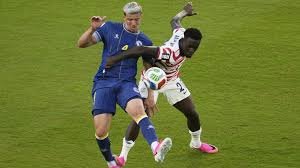
The drama began when American star striker Folarin Balogun received a red card during the Round of 16 match against Bosnia-Herzegovina. According to standard regulations, this should have resulted in an automatic suspension for the Round of 12 match against Belgium.
However, in a shocking turn of events, the FIFA disciplinary commission commuted the firm suspension to a “suspended sentence with a one-year probationary period,” allowing Balogun to take the field against the Belgian side.
The “Trump Factor”: A Phone Call That Changed Everything
The controversy deepened when U.S. President Donald Trump admitted to personally intervening. Trump confirmed he called FIFA President Gianni Infantino to request a review of the red card, claiming he didn’t believe the foul warranted such a severe penalty.
“I just asked for a review because I didn’t think it was a foul,” Trump stated during a White House press conference, while simultaneously criticizing the Brazilian referee, Raphael Claus.
While the White House maintains that no direct orders were given, the timing of the decision—occurring shortly after the call—has sparked allegations of political interference in sporting governance.
Belgium’s Frustration and FIFA’s Vague Justification
The Royal Belgian Football Association (URBSFA) did not take the news lightly. They filed an official appeal to block Balogun’s participation, but FIFA rejected the request, labeling it “inadmissible” on the grounds that Belgium was not a direct party to the disciplinary procedure.
To justify the decision, FIFA released a communiqué citing “particular circumstances of the incident” and their “discretionary power” to suspend disciplinary measures. However, the governing body failed to provide specific evidence to explain why the rules were bent in this particular instance.
A Pattern of Interference?
This isn’t the only instance of political figures attempting to sway tournament outcomes. In a separate incident, British Prime Minister Keir Starmer admitted to intervening to prevent a kickoff time change for England’s match against Mexico, citing the need for players to acclimate to the altitude in Mexico City.
Key Takeaways from the Controversy
- Player Status: Folarin Balogun is cleared to play against Belgium despite a previous red card.
- Political Influence: Direct communication between the US President and FIFA’s leadership is under scrutiny.
- Belgian Response: The URBSFA’s appeal was rejected, leaving the team to face a full-strength US squad.
- Governance Concerns: Questions remain about the consistency of FIFA’s disciplinary actions.
As the tournament progresses, the focus remains on whether the beautiful game can remain independent of political agendas. For more detailed match statistics and updates, visit ESPN Soccer.