Dana White and the UFC: Is Political Alignment Alienating MMA Fans?
The Intersection of Combat Sports and Political Drama
The UFC has always been known for its high-intensity fights and larger-than-life personalities. However, in recent years, the drama has extended far beyond the Octagon. The close relationship between Dana White, the CEO of the UFC, and former President Donald Trump has sparked a heated debate among fans about the role of politics in professional mixed martial arts (MMA).
For many, the UFC is a sanctuary for sports enthusiasts. But for others, the “red carpet” treatment afforded to Trump—ranging from prominent seating at major events to political advertisements airing during broadcasts—has turned the sport into a political lightning rod.
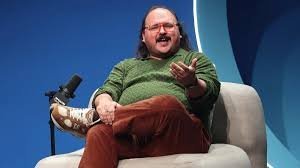
Stavros Halkias: Why the Comedy Star is Done with the UFC
Comedian Stavros Halkias, once a passionate follower of the sport, has publicly expressed his disillusionment. In a recent podcast episode, Halkias didn’t mince words, claiming that the UFC’s overt support for the MAGA movement has made it “impossible” for him to enjoy the fights.
Halkias argued that the organization’s willingness to act as a platform for political propaganda has overshadowed the athletic competition. While he acknowledges that sports team owners are often controversial figures, he believes the synergy between Dana White and Trump is uniquely alienating to a significant portion of the audience.
Nostalgia vs. Reality: The “Golden Age” of MMA
Reflecting on his younger years, Halkias recalled a time when watching the UFC was a communal, purely sporting experience. The era of gathering at places like Buffalo Wild Wings to watch pay-per-view events created lifelong memories for many fans. This “golden age” coincided with the rise of legendary figures such as Conor McGregor and Ronda Rousey, where the focus remained on the spectacle of the fight.
The Risks of Political Polarization in Sports
The current climate suggests a growing divide within the MMA community. By positioning political figures as centerpieces of the brand, the UFC faces a potential risk:
- Fan Alienation: A segment of the population may feel unwelcome or disgusted by the political leanings of the leadership.
- Brand Perception: The transition from a global sports brand to a politically coded entity can impact international growth.
- Loss of Neutrality: When politics enter the arena, the focus often shifts from the athletes’ skill to the owner’s associations.
Final Thoughts: Can the Sport Transcend Politics?
Whether the UFC’s political ties will lead to a massive exodus of fans remains to be seen. However, voices like Stavros Halkias highlight a growing fatigue among viewers who simply want to see elite athletes compete without the baggage of partisan politics. As Dana White continues to navigate the business of fighting, the challenge will be balancing personal loyalties with the diverse expectations of a global fanbase.
📰 You May Also Like