Mark Cuban Expresses Regret Over Mavericks Sale, Not the Deal Itself
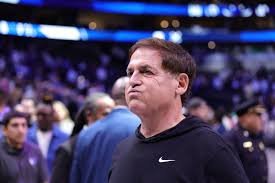
Mark Cuban, the billionaire entrepreneur and former “Shark Tank” star, built his nearly $10 billion fortune on calculated risks. His 2000 acquisition of the Dallas Mavericks for $285 million from H. Ross Perot Jr. seemed a stroke of genius, transforming a struggling franchise. After more than two decades of passionate involvement, Cuban decided to sell his majority stake in 2023 for a staggering $3.5 billion.
The $3.5 Billion Deal
The buyer? The family of Miriam Adelson, controlling shareholder of Las Vegas Sands Corp., alongside her son-in-law, Patrick Dumont. Adelson, a physician, philanthropist, and prominent GOP donor, leads a family with an estimated net worth of $40 billion. While the sale netted Cuban a substantial profit, he’s now publicly questioning the decision – not the sale itself, but the buyer.
“I don’t regret selling,” Cuban recently stated on the Intersections podcast. “I regret who I sold to. I made a lot of mistakes in the process, and I’ll leave it at that.” This is a significant shift from his initial comments following the deal’s closure in December 2023, where he told ESPN, “nothing’s really changed except my bank account.” Cuban still retains a 27.7% ownership stake.
From Struggling Franchise to NBA Champions
When Cuban acquired the Mavericks, the team was far from successful. Over the preceding 20 years, they had only won 40% of their games, consistently underperformed in the playoffs, and faced dwindling attendance. As George Anders noted in The Wall Street Journal in 2003, “people snickered” at Cuban’s purchase. Anders continued, “Not only was Mr. Cuban throwing his cash around, he seemed too goofy to last long in the ultracompetitive NBA.”
Cuban quickly proved the doubters wrong. He revitalized the team’s culture, actively attending games courtside and investing heavily in talent. His outspoken nature, however, often led to hefty fines from the NBA – including a $600,000 penalty in 2018 for discussing tanking on a podcast with Hall of Famer Julius Erving.
The Mavericks’ crowning achievement came in 2011 with their NBA Championship victory over LeBron James and the Miami Heat. By 2022, the arrival of generational talent Luka Dončić promised another championship run. However, reports from The Athletic suggest Cuban’s influence in team decision-making had already begun to wane.
Financial Pressures and Future Ownership
Cuban cited the increasing financial demands of NBA ownership as a key factor in the sale. He described himself as a “middle-class billionaire” struggling to compete with wealthier owners. He also expressed concern about his children becoming entangled in the pressures of running a professional sports franchise. “I didn’t want them to… If fans don’t like what you’re doing or the team’s not doing well, you’re the worst human being on the planet,” he explained.
While initially expecting to remain involved in basketball operations, Cuban now admits that arrangement didn’t materialize. He now wishes he had opened the sale up to a bidding war. “I would have put it out to bid. But I didn’t, so it doesn’t matter,” he said on the DLLS Mavs podcast in August 2025.
The Adelson family has the option to purchase an additional 20% of the franchise from Cuban within four years, potentially reducing his stake to just 7%. Reports indicate Cuban explored a buyback with investors, but the Adelson family intends to acquire his remaining shares. A spokesperson for the family stated their “full commitment to the Dallas Mavericks franchise and to the Dallas community,” emphasizing their focus on building a “championship organization for the long term.”
Source: Fortune