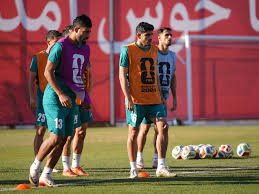
The Clash of Sports and Diplomacy: Iran’s World Cup Struggle
The beauty of the FIFA World Cup is its ability to unite nations through sport. However, for the Iranian national team, the road to glory in the United States has been paved with diplomatic hurdles and rigorous travel constraints. While the world watches the action on the pitch, a silent battle over visas and logistics is unfolding behind the scenes.
The “Oppressed Team”: Rigorous Travel Protocols
Iranian players and staff are facing a grueling schedule that goes beyond the intensity of the matches. Due to strict US travel restrictions, the squad is not permitted to stay in the host cities for extended periods. Instead, they are operating under a high-pressure logistics plan:
- n
- The 24-Hour Rule: The team can only enter match venues within 24 hours of their scheduled fixtures.
- Immediate Departure: Following the final whistle, the squad must depart immediately for their training base.
- The Mexico Base: Rather than staying in the US, the team is headquartered in Tijuana, Mexico, necessitating frequent cross-border flights.
Coach Amir Ghalenoei has not minced words regarding these conditions, suggesting his squad has become “the most oppressed team in the whole World Cup.” The physical toll is evident; after their opening match against New Zealand, the team left the US just hours after the game, leaving players with virtually no time for essential post-match recovery at their hotel.
Visa Dramas and Administrative Hurdles
The logistical nightmare didn’t end with travel times. The Iranian delegation faced a critical scare when winger Mehdi Torabi saw his entry visa expire shortly after the first game. While the US Department of State eventually resolved the issue by granting a new multiple-entry visa, the incident added another layer of stress to an already tense environment.
The US Perspective: Security vs. Accessibility
Andrew Giuliani, executive director of the White House Task Force for the tournament, has defended these measures as necessary. While acknowledging that the situation is “dynamic,” Giuliani emphasized that the shift of the training base from Tucson to Tijuana was intended to actually reduce travel time to Los Angeles.
“We want to make sure we have this incredible soccer tournament… while also making sure that we are not just protecting American citizens, but we’re also protecting all those international visitors that are coming here,” Giuliani stated.
Despite the restrictions, US officials maintain that there have been no credible threats to the tournament, though intelligence agencies remain on high alert to ensure the safety of all participants and spectators.
What Lies Ahead for Iran?
As Iran prepares for critical clashes against Belgium and Egypt, the focus remains on whether these external pressures will affect their performance on the field. With the team continuing to shuttle between Mexico and US cities like Los Angeles and Seattle, the resilience of the players will be tested as much as their athletic skill.
Will the Iranian squad overcome these logistical barriers to make a deep run in the tournament? Only time—and the scoreboard—will tell.