The Night the Dream Died: Celtic’s Shocking Champions League Exit
For the Scottish champions, August has become a month of recurring nightmares. In a turn of events that will be analyzed for years to come, Celtic experienced one of the most wretched collapses in their modern European history. After establishing a commanding 4-0 aggregate lead in the first half of their tie against LASK, the club watched in horror as the advantage evaporated, eventually falling 5-4 on aggregate.
It wasn’t just a loss; it was a capitulation. Leading 3-0 from the first leg in Glasgow and extending that lead early in Austria, Celtic seemed destined for the group stages. However, the second half in Linz told a different story—a relentless bombardment by LASK that exposed a fragile side and a lack of resilience.
Where It All Went Wrong: Passive Play and Defensive Errors
Captain Callum McGregor didn’t mince words after the match, describing the team as “scared” and “passive.” As LASK launched wave after wave of attacks, the Celtic defense crumbled. Critical errors from Benjamin Nygren, Auston Trusty, and Luke McCowan paved the way for the visitors’ comeback.
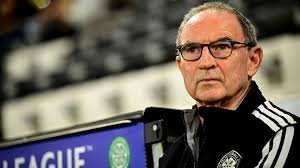
While manager Martin O’Neill took full responsibility, former captain Scott Brown suggested the lack of squad depth was the real culprit. With a makeshift defense featuring third-choice options and players out of position, Celtic lacked the quality to sustain their lead. Brown highlighted a glaring gap in the midfield, noting that the loss of Arne Engels—sold to West Ham United—left a void in physicality and running power that was impossible to fill.
The Financial Fallout: A £20 Million Blow
The consequences of failing to reach the UEFA Champions League extend far beyond the pitch. Football finance expert Kieran Maguire estimates that the financial hit will exceed £20 million. The disparity in prize money between the Champions League and the Europa League is staggering.
- n
- Revenue Gap: For every £100 generated in the Champions League, the Europa League provides roughly £22, and the Conference League only £11.
- Market Impact: Following the defeat, Celtic’s share price dipped by 4-5%, reflecting investor concern over future revenues.
- Hospitality Loss: The club loses the ability to charge premium prices for corporate packages that usually accompany visits from Europe’s elite giants.
A National Decline: Scotland’s UEFA Coefficient Crisis
Celtic’s failure is also a symptom of a broader decline in Scottish football. Between 2021 and 2023, Scotland was ranked 9th in the UEFA coefficient table, guaranteeing a direct path to the tournament for the league winners. Today, Scotland has tumbled to 18th (and currently 19th in live rankings).
This drop means that future league winners must navigate more qualifying rounds, increasing the risk of early exits and further financial instability. While Rangers’ success in the Europa League provides some cushion, the overall trajectory for Scottish clubs in Europe is worrying.
Conclusion: A Wake-Up Call for the Board
Fan reactions have been scathing, with many pointing the finger at a board that waits for Champions League qualification before investing significant capital. The sentiment is clear: to compete at the highest level, investment must happen before the qualifiers, not as a reward for passing them.
As Celtic pivots to the Europa League, the question remains: will this humiliation serve as a catalyst for genuine structural change, or is this simply the new normal for the Glasgow giants?