Caitlin Clark and the Media: Breaking the Cycle of False Narratives
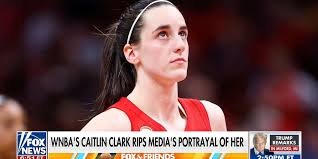
The rise of Caitlin Clark has brought an unprecedented spotlight to the WNBA, blending athletic brilliance with a level of scrutiny rarely seen in women’s professional sports. However, with great fame comes a complex battle over accountability and public perception. Recently, Clark has stepped forward to address the relentless media cycle, pushing back against what she describes as “false characterizations” of her personality and character.
The Struggle Between Performance and Personality
For any elite athlete, criticism regarding their game is part of the territory. Whether it is a missed shot or a strategic error, performance is fair game. But for Clark, the line has blurred. She has expressed that it is “exhausting” and deeply frustrating when the conversation shifts from her basketball IQ to attacks on her character.
This tension highlights a broader conversation often echoed by sports analysts like Monica McNutt, who frequently emphasizes the need for accountability—not just from the players, but from the media outlets covering them. The debate centers on whether the media is providing fair analysis or simply fueling narratives to drive engagement.
A “Human Moment” in the Spotlight
Responding to Clark’s candid interview, sports commentator Kayce Smith, from the Barstool College Football Show, praised the superstar for her honesty. Smith characterized Clark’s reaction as a “human moment,” reminding the public that despite her celebrity status, Clark is a 24-year-old navigating an intense professional environment.
- n
- Character vs. Skill: The consensus among supporters is that criticism should remain focused on the court.
- Mental Toll: The exhaustion of fighting public misconceptions can impact an athlete’s well-being.
- The Power of Voice: By speaking out, Clark is setting a boundary for how she wishes to be portrayed.
Why This Matters for the WNBA
The discourse surrounding Caitlin Clark is more than just a personal struggle; it is a litmus test for how the media handles the growth of women’s sports. As the league expands its reach, the balance between critical journalism and character assassination becomes crucial for the longevity and health of its stars.
When figures like Monica McNutt and other analysts push for a higher standard of accountability in sports reporting, they are advocating for a culture where athletes are respected as professionals and humans alike.
Final Thoughts
Caitlin Clark continues to redefine the game with her talent. By challenging the narratives imposed upon her, she is not only defending her name but also paving the way for future athletes to demand fair treatment in the digital age.