Beyond World Cup 2026: The High-Stakes Battle Between Spain and Morocco for the 2030 Final
While the global football community is already gearing up for the spectacle of the World Cup 2026, a new and intense diplomatic storm is brewing for the tournament that follows. The road to 2030 is becoming a battlefield, as Spain and Morocco engage in a fierce tug-of-war over the most coveted prize in sports: the right to host the World Cup final.
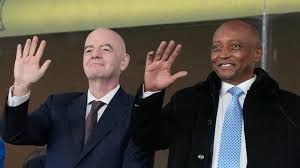
Although FIFA has yet to make an official announcement, the rhetoric from both nations has escalated, turning a joint bid into a high-tension rivalry. With FIFA President Gianni Infantino caught in the middle, the decision could reshape the geopolitical landscape of the Mediterranean.
The Moroccan Ambition: A New Monument to Football
Morocco isn’t just asking for the final; they are claiming it. Fouzi Lakjaa, the president of the Moroccan football federation, has been vocal and unapologetic about his country’s expectations. During a recent political rally, Lakjaa left little room for doubt:
“The city of Benslimane will host the World Cup final. Hate it or love it, and if anyone wants to talk on top of that, let them talk,” Lakjaa declared.
The centerpiece of Morocco’s bid is the ambitious King Hassan II Stadium. Located in Benslimane on the outskirts of Casablanca, this architectural marvel is planned to seat a staggering 115,000 spectators, potentially making it one of the largest and most modern stadiums in the world.
Spain’s Claim: The Prestige of Champions
Spain, on the other hand, believes that merit and history should dictate the venue. Rafael Louzán, head of the Spanish soccer federation, argues that Spain’s current dominance in the sport makes them the natural choice for the grand finale.
Louzán pointed out that Spain holds the title of world champion in both men’s and women’s soccer, asserting that the honor of the final belongs in Spain. Unlike Morocco’s new construction, Spain offers battle-tested, iconic venues such as the Santiago Bernabéu in Madrid or the Camp Nou in Barcelona, both of which are global landmarks of football culture.
Politics, Borders, and FIFA Drama
This dispute transcends sports. The fight for the 2030 final is unfolding against a backdrop of frayed diplomatic ties. Recently, Spain and Morocco faced severe tensions following a migrant crisis at the border of Ceuta, where thousands attempted to cross into the Spanish enclave.
Furthermore, the internal politics of FIFA add another layer of complexity:
- n
- The UEFA Conflict: European officials believe the 2030 event—which also involves Portugal and South American matches—should be viewed primarily as a European tournament, keeping the final on the continent.
- The Infantino Factor: While UEFA has clashed with Gianni Infantino over his commercial plans for the World Cup, several Arab nations, including Morocco, have remained steadfast supporters of the FIFA chief.
What’s Next for the 2030 World Cup?
The joint candidacy between Spain, Portugal, and Morocco was originally envisioned as a bridge between Europe and Africa, a symbol of unity and cooperation. However, the current clash over the final match threatens that vision.
As we move closer to the excitement of the World Cup 2026, all eyes will remain on FIFA’s next move. Will Infantino favor the sporting prestige of Spain or the massive infrastructural investment and political loyalty of Morocco?
For more updates on international football and upcoming tournaments, keep an eye on official sports coverage as the 2030 puzzle continues to unfold.