Beyond the Mets Score: Will a New MLB Salary Cap Change the Game?
The High Cost of Winning: Is an MLB Salary Cap Inevitable?
For fans who religiously check the mets score and follow the standings, it is no secret that financial muscle often correlates with on-field success. However, the landscape of Major League Baseball (MLB) could be facing a seismic shift. The debate over whether the league should implement a salary cap has returned to the forefront, sparking intense discussions between owners, players, and even political figures.
Political Pressure and the Push for Parity
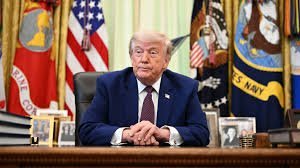
The conversation gained unexpected momentum when former President Donald Trump weighed in on the issue. During a press briefing aboard Air Force One, Trump expressed strong support for a salary cap, drawing a direct comparison to the NFL. He argued that without such a mechanism, sports lose their competitive balance because teams “can’t help themselves” when it comes to overspending.
Trump noted that the opportunity to implement a cap was missed years ago—likely referring to the tumultuous strike era of the mid-90s—and suggested that a cap is essential for the long-term health of the sport.
The Numbers: Big Spenders vs. Small Markets
As the current collective bargaining agreement nears its expiration, the tension between the league and the players’ union is peaking. The owners are pushing for a structured financial ceiling to prevent a few wealthy teams from dominating the talent pool.
The proposed financial framework includes:
- n
- Proposed Salary Cap: $245.3 million
- Proposed Salary Floor: $171.2 million
If these numbers were implemented today, the impact would be drastic. While some teams like the Marlins and Guardians fall significantly below the proposed floor, the league’s heavy hitters would be forced to slash payrolls. The Dodgers are currently nearly $170 million over the proposed cap, while the New York Mets and the Yankees are also more than $100 million over the limit.
The Players’ Perspective: Protecting the Market
The MLB Players Association (MLBPA) remains staunchly opposed to a hard salary cap. For the players, the goal is to preserve a free-market system that rewards performance and competition. Bruce Meyer, interim executive director of the MLBPA, emphasizes that their proposals focus on improving the system rather than restricting it.
Instead of a cap, the union suggests enhancing revenue sharing to ensure that small-market clubs have the financial means to compete—guaranteeing them a minimum of $240 million in revenue per season. This approach aims to prioritize winning over pure profit.
What This Means for the Future of Baseball
With MLB generating record-breaking revenues—estimated by Forbes at approximately $12.5 billion in 2025—the stakes have never been higher. Both the owners and the players have a massive financial incentive to avoid a work stoppage or a lockout.
Whether you are tracking the mets score for the thrill of the game or analyzing the business of sports, one thing is clear: the battle over the salary cap will define the competitive balance of baseball for the next decade.
📰 You May Also Like