The Unstoppable Legacy of Anderson Silva: From Humble Beginnings to UFC Glory
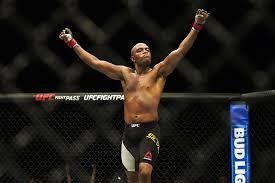
Before he became a household name and a global icon of combat sports, Anderson Silva was just a determined athlete honing his craft in the hidden gyms of Brazil and Japan. Known as “The Spider,” Silva didn’t just fight; he choreographed violence, turning the Octagon into his own personal stage.
The Foundation of a Warrior
Silva’s journey began in São Paulo and Curitiba, where he developed a multidisciplinary approach to fighting long before “well-roundedness” was the gold standard in MMA. His arsenal was a masterclass in versatility, boasting certifications that made him a threat from every angle:
- n
- Brazilian Jiu-Jitsu: Black Belt
- Taekwondo: Black Belt
- Muay Thai: Black Pra Jiad
- Capoeira: Yellow Belt
Despite his immense skill, the road to greatness wasn’t linear. Silva’s professional debut in 1997 ended in a decision loss to Luiz Azeredo. However, this setback only fueled his fire, leading to a dominant nine-fight win streak that caught the attention of international promoters.
Conquering the East: Shooto and Pride
The world first took notice of Anderson Silva during his tenure in Japan. In 2001, he achieved a landmark victory by defeating Hayato Sakurai, the reigning UFC-adjacent caliber Shooto middleweight champion who held a 20-fight unbeaten streak. This win signaled the arrival of a new predator in the sport.
His time in Pride Fighting Championships was a rollercoaster of emotion. While he showcased breathtaking brilliance—including a flying knee knockout of Carlos Newton—he also faced crushing adversity. A devastating loss to Daiju Takase nearly pushed Silva to retire from the sport entirely. After a submission loss to Ryo Chonan, Silva found himself cut from the promotion, forcing him to rebuild his career in England’s Cage Rage organization.
The UFC Era: The Reign of Terror
In June 2006, the MMA world witnessed the birth of a legend. Silva’s UFC debut against Chris Leben was a demolition that took less than a minute. The UFC brass recognized his genius immediately, granting him a title shot in only his second fight.
At UFC 64, Silva dismantled Rich Franklin, claiming the middleweight belt and beginning one of the most dominant championship runs in sports history. For nearly seven years, Silva was untouchable. He defended his title ten times, defeating a “murderer’s row” of challengers, including:
- Dan Henderson (Title Unification)
- Vitor Belfort
- Chael Sonnen (twice)
Silva’s style was characterized by a supernatural ability to avoid strikes, often dropping his hands to toy with opponents, creating an aura of invincibility that defined an entire era of the Mixed Martial Arts landscape.
The Heartbreaking Fall
Every empire eventually falls, and for Silva, the end came with shocking speed. At UFC 162 in July 2013, his habit of “clowning” around in the cage finally caught up to him. Chris Weidman capitalized on a moment of overconfidence, knocking Silva out and ending the longest title reign in UFC history.
The aftermath was even more tragic. In their December 2013 rematch, Silva suffered a freak injury when he threw a low kick that Weidman checked. The impact caused Silva’s shin to snap, leaving the legend stretchered out of the arena in visible agony.
A Lasting Impact
While the end of his prime was dramatic and painful, it does not diminish the brilliance of Anderson Silva. From the small gyms of Brazil to the bright lights of Las Vegas, “The Spider” redefined what was possible in a fight. He remains a blueprint for precision, timing, and psychological warfare in the Octagon.