A New Era for El Tri: Rafael Marquez Leads the Mexico National Football Team Toward 2030
The Mexico national football team, affectionately known as El Tri, is stepping into a transformative chapter. Following a home World Cup that restored the vital bond between the players and their passionate supporters, the team now looks toward the horizon. With a renewed sense of belief and a legendary figure at the helm, the goal is clear: building a powerhouse capable of dominating by 2030.
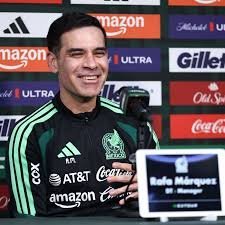
Entering his tenure as head coach, Rafael Marquez isn’t just looking at the next match; he is architecting a long-term vision. To test his theories, El Tri is embarking on a series of high-stakes friendlies that will serve as the first laboratory for Marquez’s tactical philosophy.
The Roadmap: Four Crucial Tests
Before diving into the tactical shifts, let’s look at the immediate schedule. Marquez will use these four matches to implement his ideas and integrate new talent:
- n
- September 26: vs. Colombia at M&T Bank Stadium, Baltimore.
- September 29: vs. Peru at Sports Illustrated Stadium, Harrison, New Jersey.
- October 3: vs. United States in Glendale, Arizona.
- October 6: vs. Chile in Los Angeles.
Tactical Evolution: The Influence of Juanma Lillo
One of the most intriguing aspects of this new era is the appointment of Juanma Lillo as an assistant. Lillo, renowned for his mentorship of Pep Guardiola, brings a philosophy centered on proactive, possession-based football. The goal is simple: build the attack from the back to control the tempo of the game.
The Return of the Back Three?
Drawing inspiration from his time under Ricardo La Volpe, Marquez may elect to utilize a three-defender system. This flexible approach allowed Mexico to defeat Brazil in the 2005 Confederations Cup and offers a balance between defensive solidity and attacking fluidity. With experienced players like Johan Vazquez and Cesar Montes, El Tri has the foundation to execute this sophisticated shape.
The Rise of New Stars and the Return of Legends
The current roster is a blend of daring youth and proven experience. Two storylines stand out in this selection:
The Prodigy: Gilberto Mora
At just 17 years old, Gilberto Mora has been handed the iconic No. 10 shirt. While the weight of this jersey is immense, Mora’s composure during the World Cup suggests he is ready. Under the guidance of Lillo, Mora is being taught to read the game several moves ahead, evolving from a talented youngster into a strategic playmaker.
The Redemption of ‘Chucky’ Lozano
In a bold move, Marquez has recalled Hirving ‘Chucky’ Lozano. After a dip in club form and missing the 2026 World Cup, the LA Galaxy winger is fighting for his place in El Tri. His pace and directness remain lethal weapons that could prove decisive in the upcoming FIFA international windows.
The Chivas Connection
The influence of CD Guadalajara is heavily felt in this camp, with six Chivas players included in the roster. From the reliability of Raul Rangel to the promising energy of 19-year-old Santiago Sandoval, Marquez is leveraging the chemistry of Liga MX’s most storied club to create cohesion within the national squad.
Final Thoughts: A Method for Success
Rafael Marquez inherits a team with momentum, but momentum alone doesn’t win trophies. The challenge now is to convert that energy into a recognizable style of play. By blending Lillo’s technical sophistication with Marquez’s leadership and the hunger of a new generation, the Mexico national football team is not just playing friendlies—they are building a legacy for 2030.