Planet Alignment 2026: A Celestial Spectacle You Won’t Want to Miss
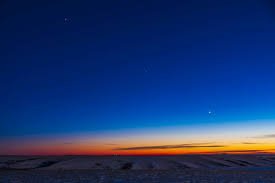
Prepare to gaze upon a breathtaking celestial event! Sky-watchers around the globe will have the opportunity to witness a stunning planet alignment in 2026, with up to six planets visible in the sky, weather permitting. This remarkable display is a reminder of the dynamic dance of our solar system.
What is a Planetary Alignment?
This spectacular planetary parade occurs due to the unique alignment of the planets’ orbits around the sun, explains Heidi Haviland, a planetary scientist at NASA’s Marshall Space Flight Center in Huntsville, Alabama. It’s a beautiful demonstration of orbital mechanics and a treat for astronomy enthusiasts.
Which Planets Will Be Visible?
Four planets – Mercury, Venus, Saturn, and Jupiter – will be visible to the naked eye. Uranus and Neptune will require binoculars or a telescope to spot. Don’t worry about needing special eye protection; unlike viewing a solar eclipse, observing this planet alignment is perfectly safe for your eyes.
When and Where to Look
The event is visible from anywhere on Earth, with the best views occurring during twilight. Early risers should try to catch the parade before sunrise, while night owls will have optimal visibility right after sunset. The precise timing varies depending on your location, but generally, the planets need to be at least 10 degrees above the horizon to be clearly visible. Lower positions may be obscured by Earth’s atmosphere.
Why Planetary Alignments Matter
Beyond their aesthetic appeal, planetary alignments are crucial for space mission planning. As Haviland notes, “The InSight mission had to wait a full year for the Earth & Mars to align to their closest approach, so planetary orbits and their position to the Earth play an important role in mission design.” This highlights the practical significance of understanding these celestial movements.
Identifying the Planets
Here’s a quick guide to help you identify the planets:
- Venus: The brightest object in the sky after the sun and moon, with a steady, brilliant white glow on the western horizon after sunset.
- Mars: Appears as a distinct red dot.
- Saturn: Displays a yellowish hue.
- Jupiter: Look high overhead to find this bright planet.
- Mercury: The most challenging to spot without aid, best viewed 30-60 minutes after sunset, appearing white and low on the horizon.
Tips for Optimal Viewing
For the best experience, escape city lights and hope for clear skies. As Joel Wallace, public information officer at the Marshall Space Flight Center, advises, minimizing light pollution will significantly enhance your viewing.
More Celestial Events to Look Forward To
The planet alignment 2026 isn’t the only astronomical event on the horizon! Keep an eye out for:
- Total Lunar Eclipse (Tuesday): Visible in Asia, Australia, the Pacific Islands, and the Americas, the moon will appear red – a “blood moon.” This will be the last total lunar eclipse visible from North America until December 2028.
- Blue Moon (May 31): The second full moon in a calendar month. Despite the name, it won’t appear blue!
- Venus & Jupiter Conjunction (June 8-9): Venus and Jupiter will appear incredibly close together in the sky, despite being millions of miles apart.
Stay tuned to resources like NASA and CNN for the latest updates and information on these incredible celestial events.