Northern Lights Forecast Tonight: Your Guide to the Aurora Borealis
Are you dreaming of witnessing the magical dance of the Northern Lights, also known as the Aurora Borealis? You’re not alone! Millions of people around the world are captivated by this breathtaking natural phenomenon. This guide provides the latest **northern lights forecast tonight**, tips for optimal viewing, and everything you need to know to maximize your chances of seeing this spectacular display.
Understanding the Northern Lights
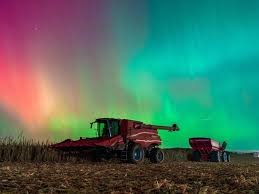
The Aurora Borealis is caused by charged particles from the sun colliding with atoms in the Earth’s atmosphere. These collisions release energy in the form of light, creating the vibrant colors we see. The colors vary depending on the type of atom being excited – oxygen produces green and red, while nitrogen produces blue and purple. The intensity and visibility of the aurora are heavily influenced by solar activity and geomagnetic conditions. Understanding these factors is key to a successful aurora hunt.
Northern Lights Forecast Tonight: What to Expect
Checking the **northern lights forecast tonight** is crucial. Several websites provide real-time data and predictions. Here are some reliable resources:
* **SpaceWeatherLive:** [https://www.spaceweatherlive.com/](https://www.spaceweatherlive.com/) – Offers detailed information on solar activity, geomagnetic conditions, and aurora forecasts.
* **NOAA Space Weather Prediction Center:** [https://www.swpc.noaa.gov/](https://www.swpc.noaa.gov/) – The official source for space weather forecasts from the US government.
* **Aurora Forecast:** [https://www.auroraforecast.is/](https://www.auroraforecast.is/) – Specifically focused on aurora activity in Iceland, but provides useful general information.
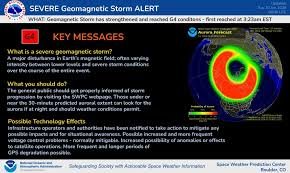
Currently, geomagnetic activity is predicted to be [Insert current forecast here – e.g., moderate to strong], increasing the likelihood of seeing the aurora in higher latitude regions. The Kp-index, a scale measuring geomagnetic disturbance, is a key indicator. A Kp-index of 5 or higher suggests aurora visibility may extend further south than usual.
Best Locations to View the Northern Lights
- **Alaska, USA:** Fairbanks is a popular destination known for its frequent aurora displays.
- **Northern Canada:** Yukon, Northwest Territories, and Nunavut offer dark skies and excellent viewing opportunities.
- **Iceland:** Easily accessible and with stunning landscapes, Iceland is a prime aurora-viewing location.
- **Norway:** Tromsø is a popular city for aurora tourism, offering guided tours and comfortable accommodations.
- **Sweden & Finland:** Lapland, in both countries, provides a magical winter wonderland setting for aurora viewing.
Remember, the key is to get away from light pollution. Find a dark location with a clear view of the northern horizon. Consider using a light pollution map (like [https://www.lightpollutionmap.info/](https://www.lightpollutionmap.info/)) to identify optimal viewing spots.
Tips for Aurora Photography
Capturing the Northern Lights requires some preparation. Here are a few tips:
* **Use a tripod:** Essential for long exposures.
* **Wide-angle lens:** Capture more of the sky.
* **Manual focus:** Focus on infinity.
* **High ISO:** Start with ISO 800 and adjust as needed.
* **Long exposure:** Experiment with exposure times between 5 and 30 seconds.
* **Remote shutter release:** Avoid camera shake.
Don’t let the technical aspects intimidate you! There are plenty of resources online to help you master aurora photography. The reward – stunning images of this incredible phenomenon – is well worth the effort.