Lunar Eclipse 2026: Prepare for a Stunning Celestial Show
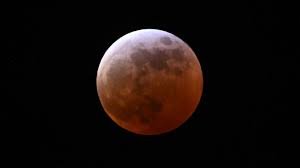
Mark your calendars! In March, the full moon will undergo a breathtaking transformation, dimming and darkening before glowing with a captivating red hue as Earth’s shadow gracefully sweeps across its surface. This total lunar eclipse promises a spectacular display, rewarding those who venture out for a late night or early morning viewing.
Why Lunar Eclipses are Special
Unlike solar eclipses, which demand specialized eye protection and precise timing, lunar eclipses are a leisurely and safe astronomical event. You can enjoy the show from almost anywhere with a clear view of the moon. The March 3rd event will be visible across much of North America, offering a fantastic demonstration of the sun, Earth, and moon’s celestial dance. Best of all, no telescopes or advanced knowledge are required!
How Does a Lunar Eclipse Happen?
A total lunar eclipse occurs when Earth positions itself directly between the sun and the moon during a full moon. This alignment blocks most of the sunlight that normally illuminates the lunar surface. Earth’s shadow consists of two parts: the penumbra (outer shadow) and the umbra (inner shadow). The penumbra causes a subtle dimming, while the umbra creates a dramatic darkening. As the umbra covers the moon, the eclipse becomes increasingly visible.
But instead of disappearing into darkness, the moon takes on a mesmerizing coppery-red or orange color – hence the nickname “blood moon.”
When and Where to Watch
The eclipse will be visible across various time zones. Here’s a breakdown of the key timings (Eastern Time):
- Penumbral Phase Begins: 3:44 a.m. ET / 12:44 a.m. PT
- Partial Eclipse Begins: 4:50 a.m. ET / 1:50 a.m. PT
- Totality Begins: 6:04 a.m. ET / 3:04 a.m. PT (lasts until 7:03 a.m. ET / 4:03 a.m. PT)
- Eclipse Ends: 9:23 a.m. ET / 6:23 a.m. PT
For precise timings specific to your location, visit TimeandDate.com or the U.S. Naval Observatory’s tool.
The Science Behind the “Blood Moon”
The reddish-orange hue of the “blood moon” is a result of Earth’s atmosphere bending and filtering sunlight. Shorter blue wavelengths are scattered away, while red and orange light pass through and illuminate the moon. This effect mimics the warm glow of sunrise and sunset, effectively tinting the lunar surface with atmospheric light.
Tips for Viewing and Photographing
Lunar eclipses are incredibly accessible – no special equipment is needed! A clear view of the moon is all you require. Binoculars or a small telescope can enhance surface details and the color changes, but they are optional. A darker location, away from city lights, will provide the best viewing experience, especially during totality.
Want to capture the event? Even a smartphone can take stunning photos. For professional tips, check out resources from B&H Photo and Nikon.
As the moon darkens, the sky may reveal even more wonders, with stars becoming more visible against the fading lunar glare. During this eclipse, the moon will appear near the constellation Leo.