Welcoming Spring: The First Day of Spring 2026 is Almost Here!
As winter’s grip begins to loosen, anticipation builds for the arrival of spring. This year, the first day of spring, also known as the Vernal Equinox, falls on Friday, March 20, 2026. But what exactly does this celestial event mean, and what can you expect as the seasons shift?
What is the Vernal Equinox?
The Vernal Equinox marks the moment when the Sun crosses the Celestial Equator, transitioning from the southern to the northern hemisphere. This results in roughly equal hours of daylight and darkness across the globe. The exact timing varies depending on your time zone:
- 12:16 p.m. NDT
- 11:46 a.m. ADT
- 10:46 a.m. EDT
- 9:46 a.m. CDT
- 8:46 a.m. MDT/CST
- 7:46 a.m. PDT
For a comprehensive look at the Spring 2026 forecast and planning tips, visit The Weather Network’s Complete Guide to Spring 2026.
The Science Behind the Shift
Earth’s 23.4° axial tilt is the key to understanding the seasons. As our planet orbits the Sun, this tilt causes the angle of sunlight to change throughout the year. Imagine the Earth maintaining a constant orientation as it travels around the Sun. This changes the angle at which sunlight reaches different parts of the planet.

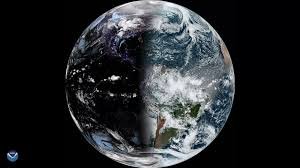
When the northern hemisphere is tilted towards the Sun, we experience warmer weather. Conversely, when the southern hemisphere is tilted towards the Sun, we experience colder temperatures. During the equinoxes, the Sun sits directly over the celestial equator, bringing a balance of light to both hemispheres.
Debunking Spring Myths
Several myths circulate around the equinox, but many are simply untrue. One common misconception is that day and night are exactly equal in length on the equinox. While the lengths are *close*, atmospheric refraction and other factors cause slight variations. Meteorologist Tyler Hamilton provides a detailed explanation in this article.
Another popular myth involves balancing an egg on its end. While challenging at any time, the equinox doesn’t magically make egg balancing easier. The success of this feat depends on the stability of the surface, the egg’s shell, and your steady hand.
Shadows and the Subsolar Point
Claims that you won’t cast a shadow on the equator during the equinox are also largely inaccurate. While the subsolar point (where the Sun is directly overhead) is located in the Atlantic Ocean off the coast of Brazil on March 20, 2026, you’ll still cast a shadow, albeit a faint one, even at that location.
Spring is a time of renewal and change. Understanding the science behind the equinox allows us to appreciate the beauty and complexity of our planet’s relationship with the Sun. Embrace the longer days and warmer temperatures as we welcome the first day of spring 2026!